


Humans share up to 97 percent of our DNA with orangutans, but that doesn’t mean we always respect our fellow primates. Our desire for palm oil has destroyed the habitats of many orangutans that now must rely on feeding stations to eat. Photographer Thomas Vijayan captured an image (seen below) of one such orangutan sitting solemnly amongst chopped trees in a devastated landscape. The photograph earned Vijayan “Photography of the Year” honors at the 2025 Nature Photography Contest. Vijayan also took the prestigious title of “Photographer of the Year” in 2024 for an image of a mother penguin “taking a photo.”
Photography of the Year 2025
Our changing world is a major threat to many living beings around us one among them is this greatest living ape on Earth, The Orangutans. Humans are on a run to satisfy their immediate requirements and are forgetting the impact of it on the coming future. Orangutans are closest to humans. If deforestation continues then the coming generation may miss seeing this majestic creation of God. These helpless creatures are now dependent on feeding stations for food as most of the vegetation or rather 1000+ year old trees which in itself is a major asset to our planet have been cut down for palm oil plantation following a rise in global demand for palm oil by the oil and fats industry which in turn very harmful for the human body.
We humans can easily find an alternative option than these plam oil and could have given a 2nd thought before running the axe over these matured trees and also before snatching the habitat of this gigantic ape.
Orangutans are accustomed to live of trees and feed on wild fruits like lychees, mangosteens, and figs, and slurp water from holes in trees. But with the current rate of change that they are going through I sadly doubt how many more years they can survive. In fact when I spent some time with them I could literally feel that they really want to say something to us humans, there is an untold emotion in each one’s eyes.
In picture you can see a sad matured Orangutan in between his vanishing habitat pleeding us to spare his home. This orangutan is well habituated and sometimes come to a nearby feeding station for food.
Credit: Thomas Vijayan / The Nature Photography Contest 2025
“The photograph goes beyond wildlife photography to become a powerful visual statement on deforestation and habitat loss. It reflects the consequences of human activity while reminding us of our shared responsibility toward the species that inhabit our planet,” a press release said of Vijayan’s image.
The competition awarded prizes across 10 categories: Birds, Environmental Impact, Funny Nature, Macrophotography, Natural Landscape, Night World, Plant Life, Sharing the Planet, Underwater, and Wildlife. (Click to expand images to full screen.)
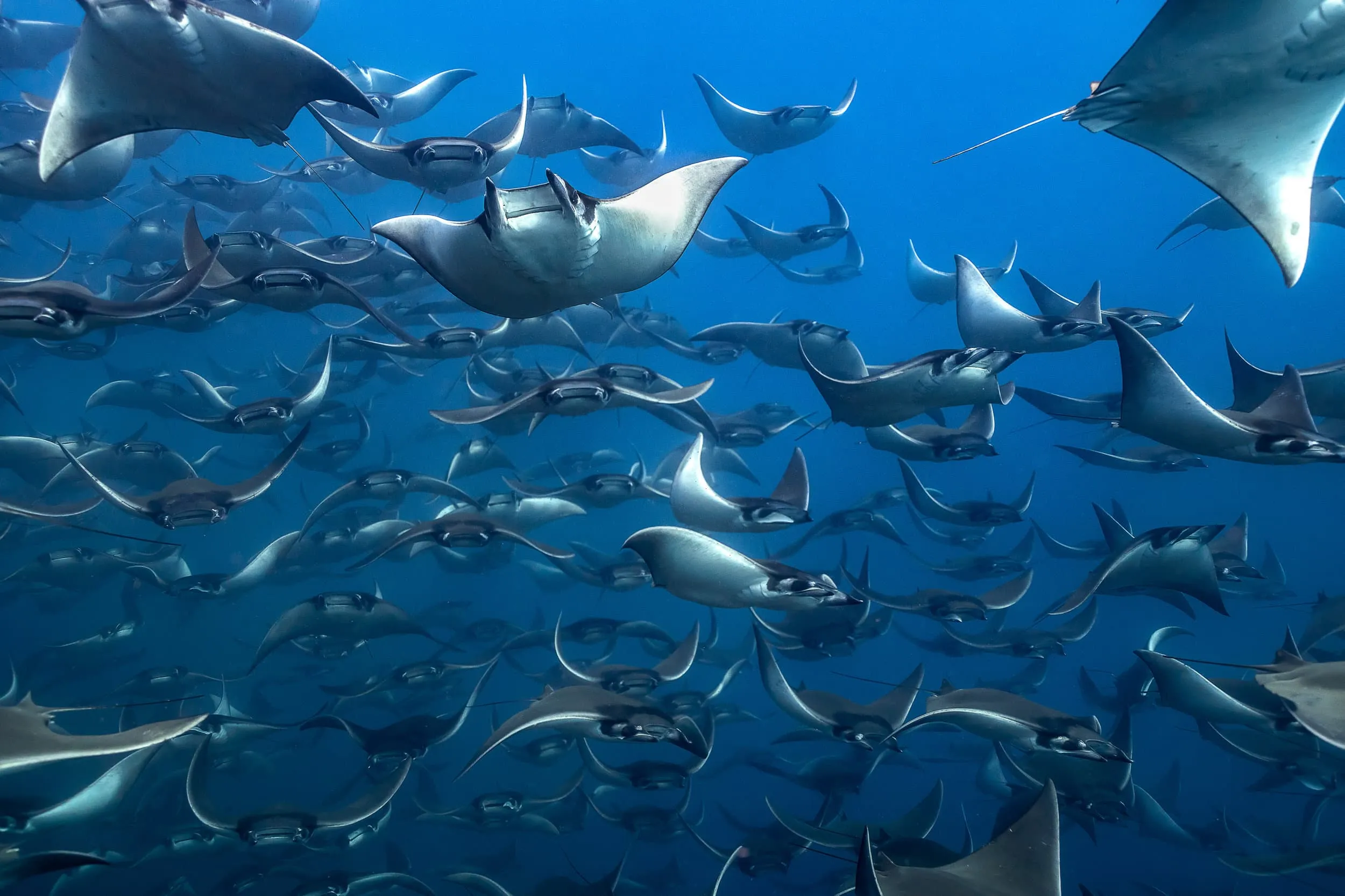
Wildlife Finalist
In most wildlife encounters, the instinct is to chase. But when you let the animals approach, a different kind of perspective emerges.
After tracking a large school of mobula rays for some time, I decided to try a different approach – to get ahead and wait. I positioned myself well in advance, took a breath, and descended slowly. Suspending mid-water, I slowly turned to the open blue and waited. My heart, pounding at first, gradually slowed as the mammalian dive reflex took hold.
Then, they came.
The rays swam directly toward me, their mesmerising symmetry unfolding through the water. From this rare head-on angle, they revealed their structure: wings in perfect rhythm, mouths gently open, feeding as they moved in unison like hundreds of flying pancakes.
I took the shot as they gently parted, giving me a near miss as they passed – a frame granted by stillness and trust.
Credit: Bingqian Gao / The Nature Photography Contest 2025
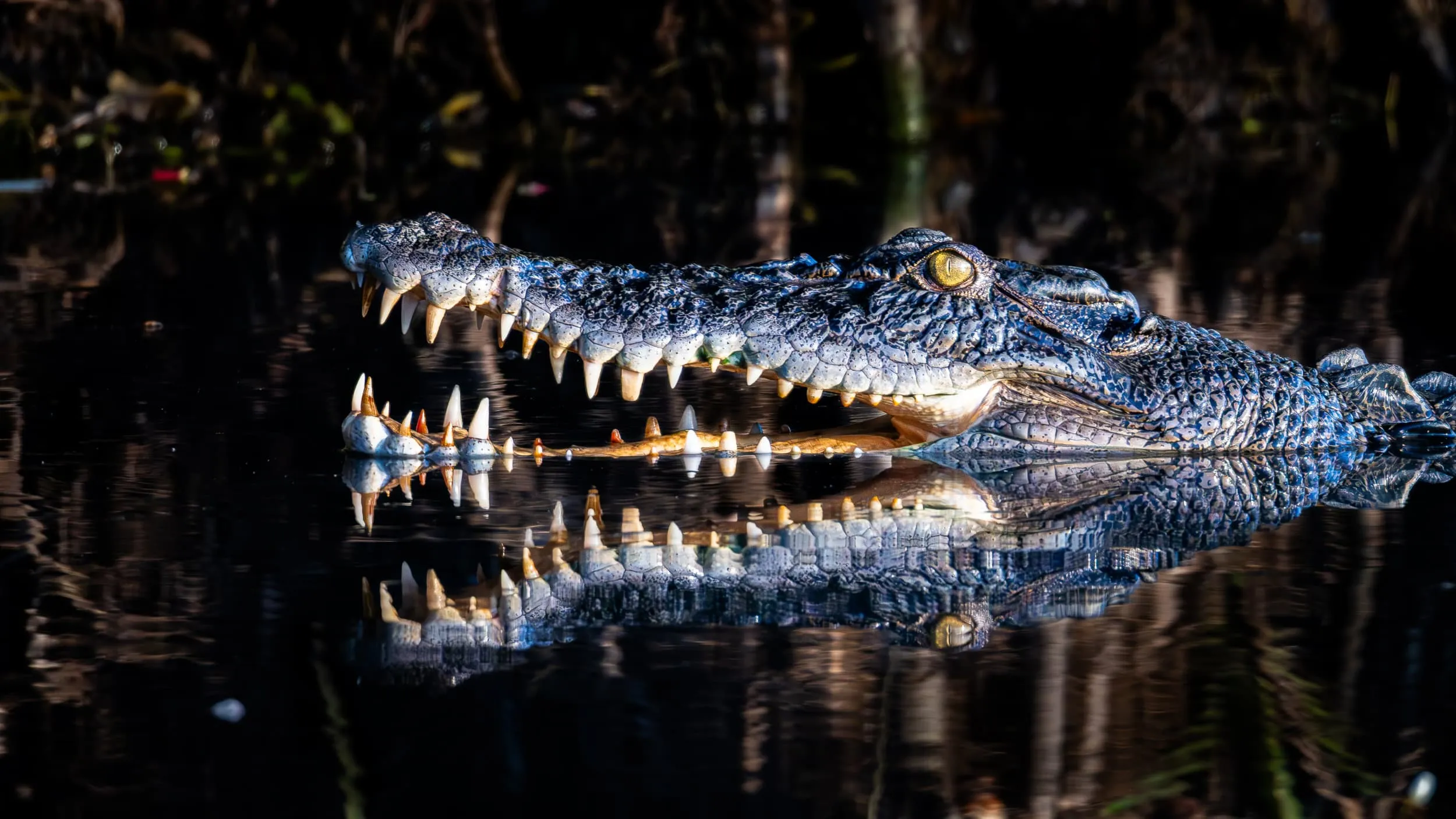
Wildlife Finalist
A large Saltwater Crocodile floats on the flat surface in Ngurrungurrudjba (Yellow Water Billabong) at Kakadu National park, producing a reflection that amplifies its already impressive denticulation.
Credit: Tom Hendrickson / The Nature Photography Contest 2025
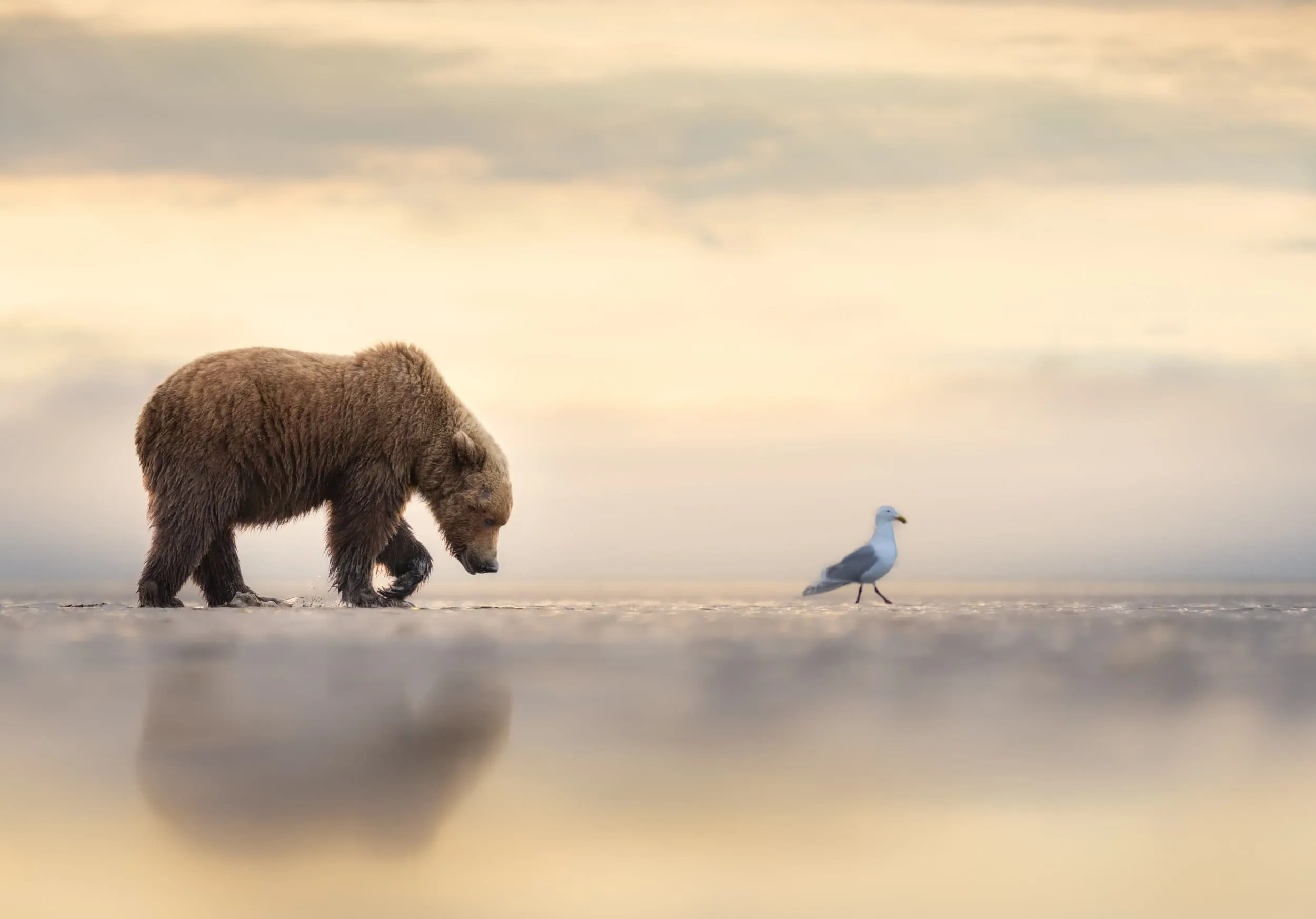
Wildlife Winner
A young brown bear follows the confident lead of a small seagull across the tidal flats as nature painted the world in golden pastels. The bear’s gentle, humble posture as it trusts this tiny guide speaks to a deeper truth – sometimes the greatest strength is found in quiet surrender to gentle guidance. In this extraordinary moment, we’re reminded that wisdom often comes in the smallest whispers, and true courage lies in following where we’re led with childlike trust.
Credit: Janet Gustin / The Nature Photography Contest 2025
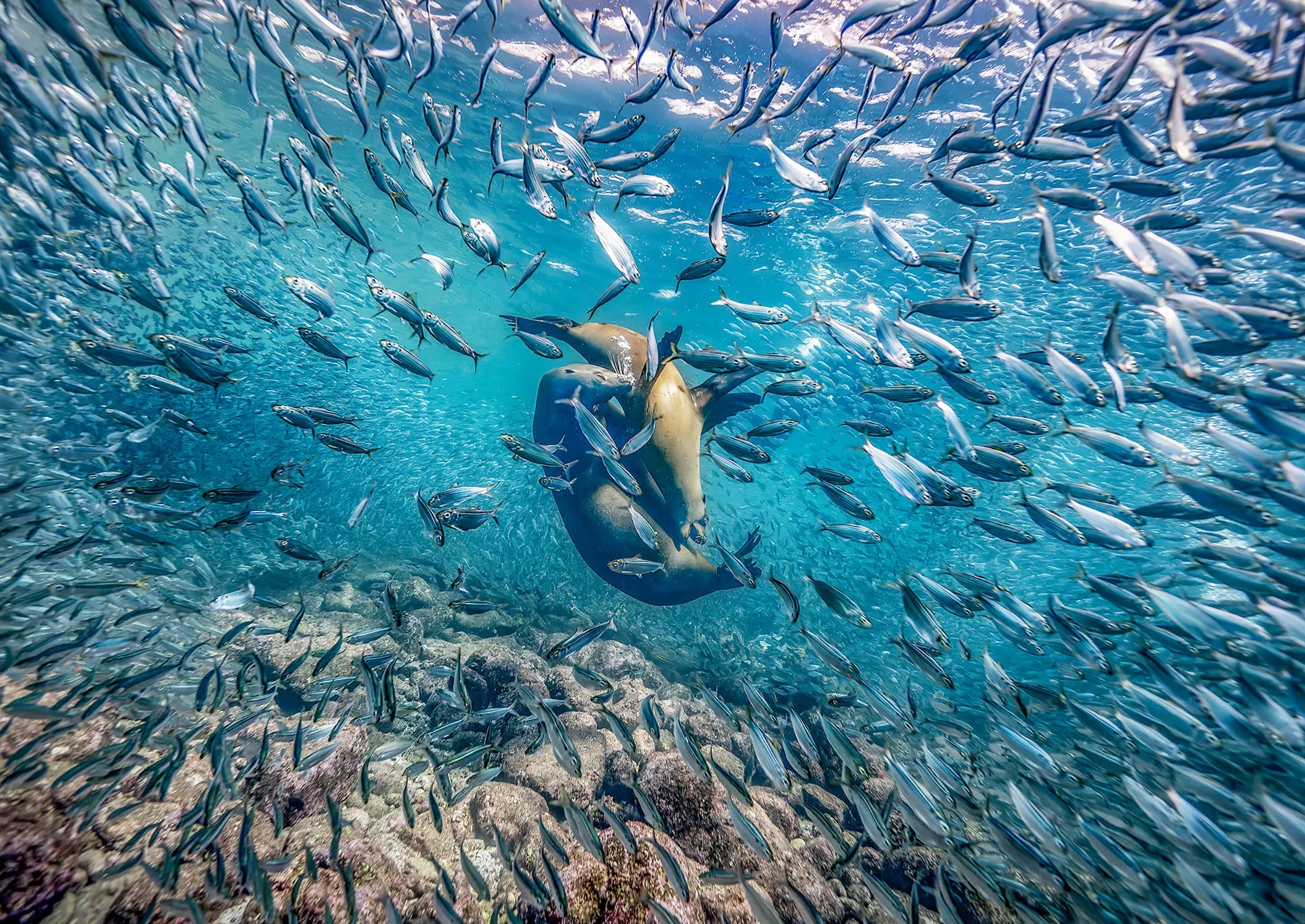
Underwater Finalist
A pair of playful sea lions frolic amid a large school of fish in Los Islotes, Mexico.
Credit: Glenn Ostle / The Nature Photography Contest 2025
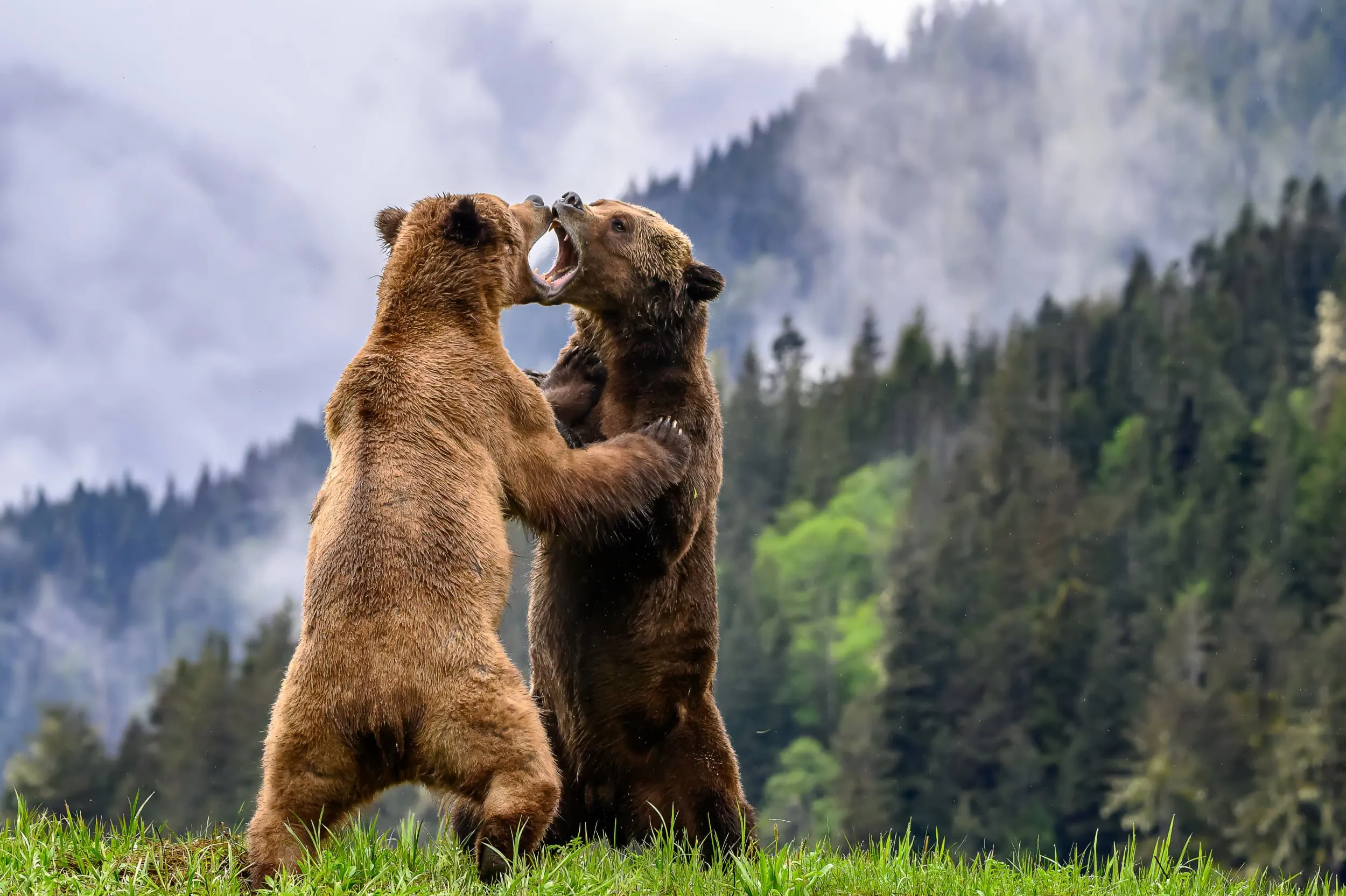
Wildlife Finalist
In the Khutzymateen of British Columbia (just south of Alaska) 2 male grizzly bears fought with each other to decide who would mate with a young female who was contentedly eating grass as this took place. The interaction was observed from a small zodiac boat drifting in a channel of the estuary.
Credit: Jill Hill / The Nature Photography Contest 2025
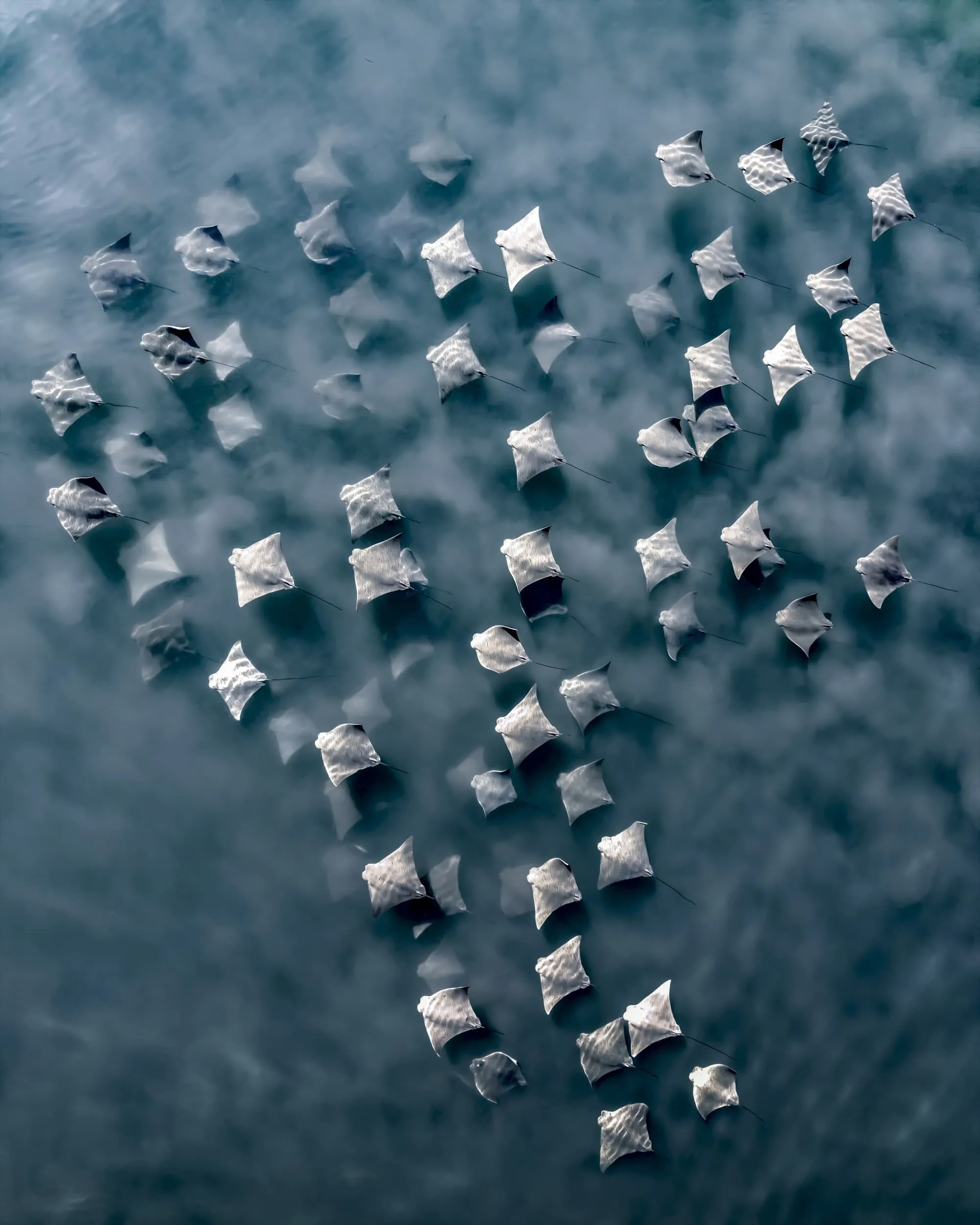
Wildlife Finalist
This is a top-down aerial photograph of a large fever of cownose rays gliding together in unison just off the coast of New York in the Atlantic Ocean. These rays are known to migrate from South America to New England waters in August. It is fascinating to watch more and more arrive each day until one day they are just gone on their way back south.
Credit: Joanna Steidle / The Nature Photography Contest 2025
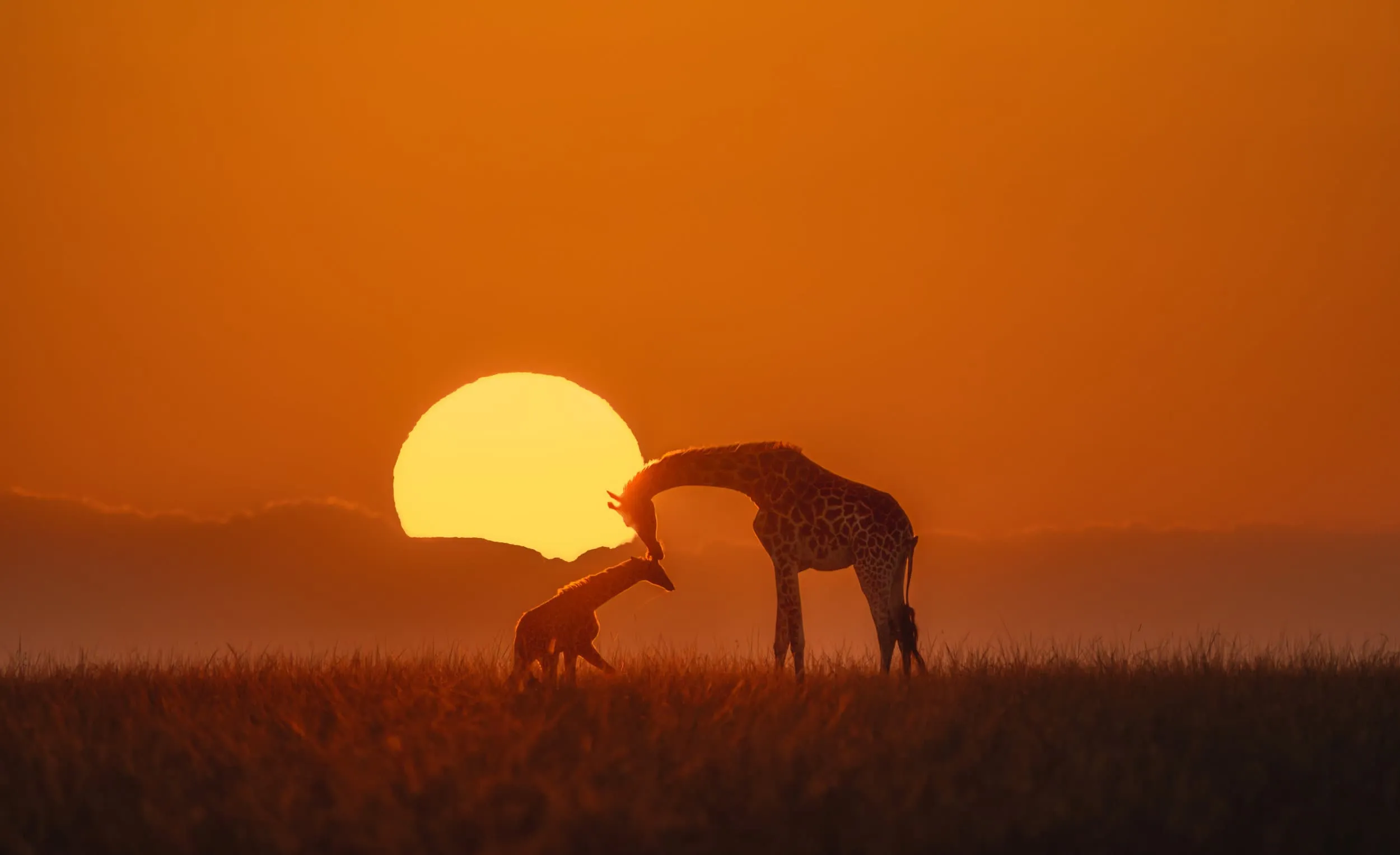
Wildlife Finalist
As the sun sets, the scene of the mother giraffe and her baby giraffe.
Credit: Min Li / The Nature Photography Contest 2025
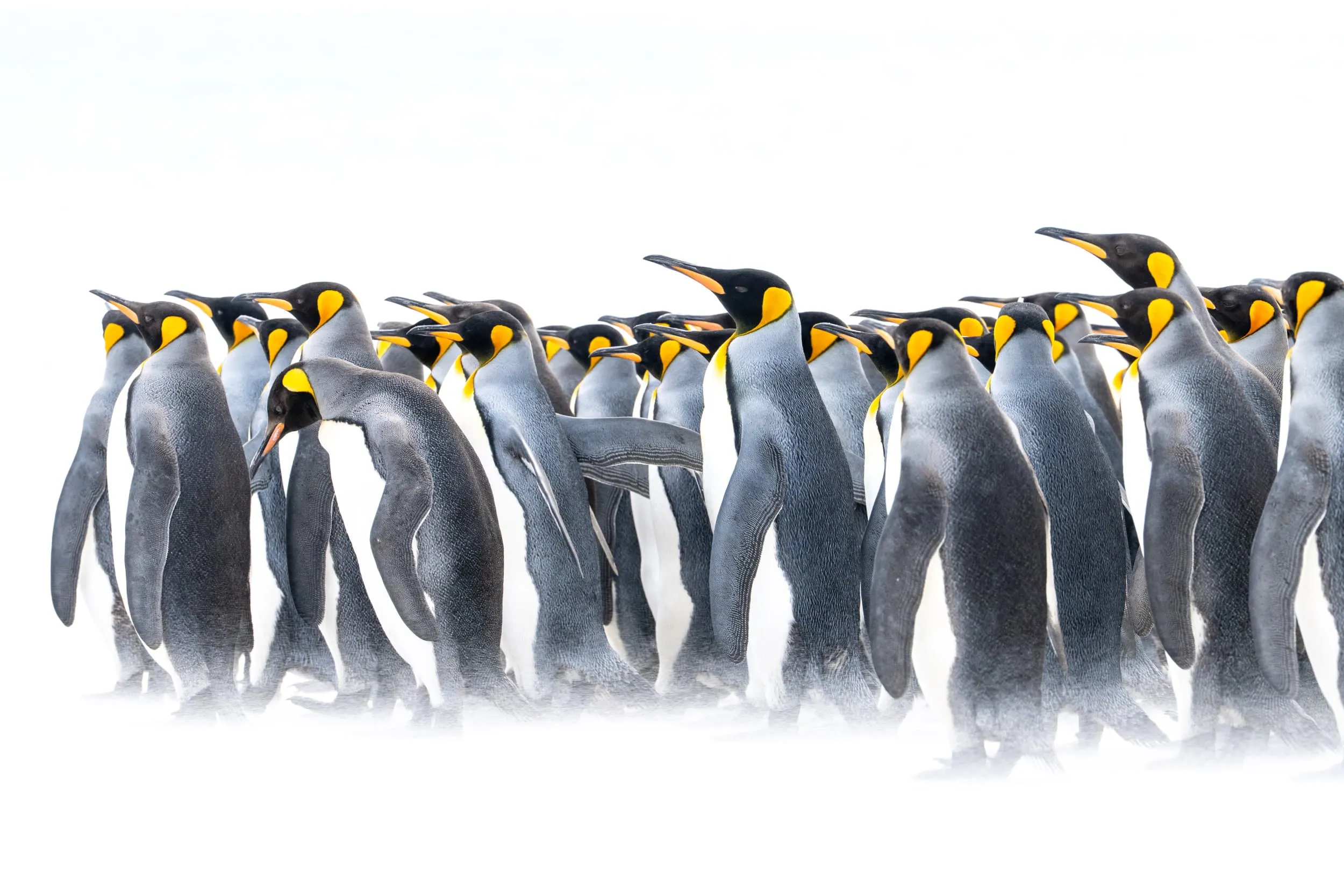
Wildlife Finalist
On the windswept edge of the Falkland Islands, far from the noise of the world, a colony of King Penguins stands in quiet harmony, timeless and unshaken. Captured in full color, the image reveals the vivid contrasts of their world: the burnished gold of their markings, the soft, wind-blown sand beneath their feet, and the stark white background that frames them. In this remote realm, every feather seems to hold a fragment of the sky, every movement a whisper of ancient rhythms. It is a moment suspended between wildness and wonder, where the pulse of the planet feels both distant and profoundly near.
Credit: Thomas Andy Branson / The Nature Photography Contest 2025
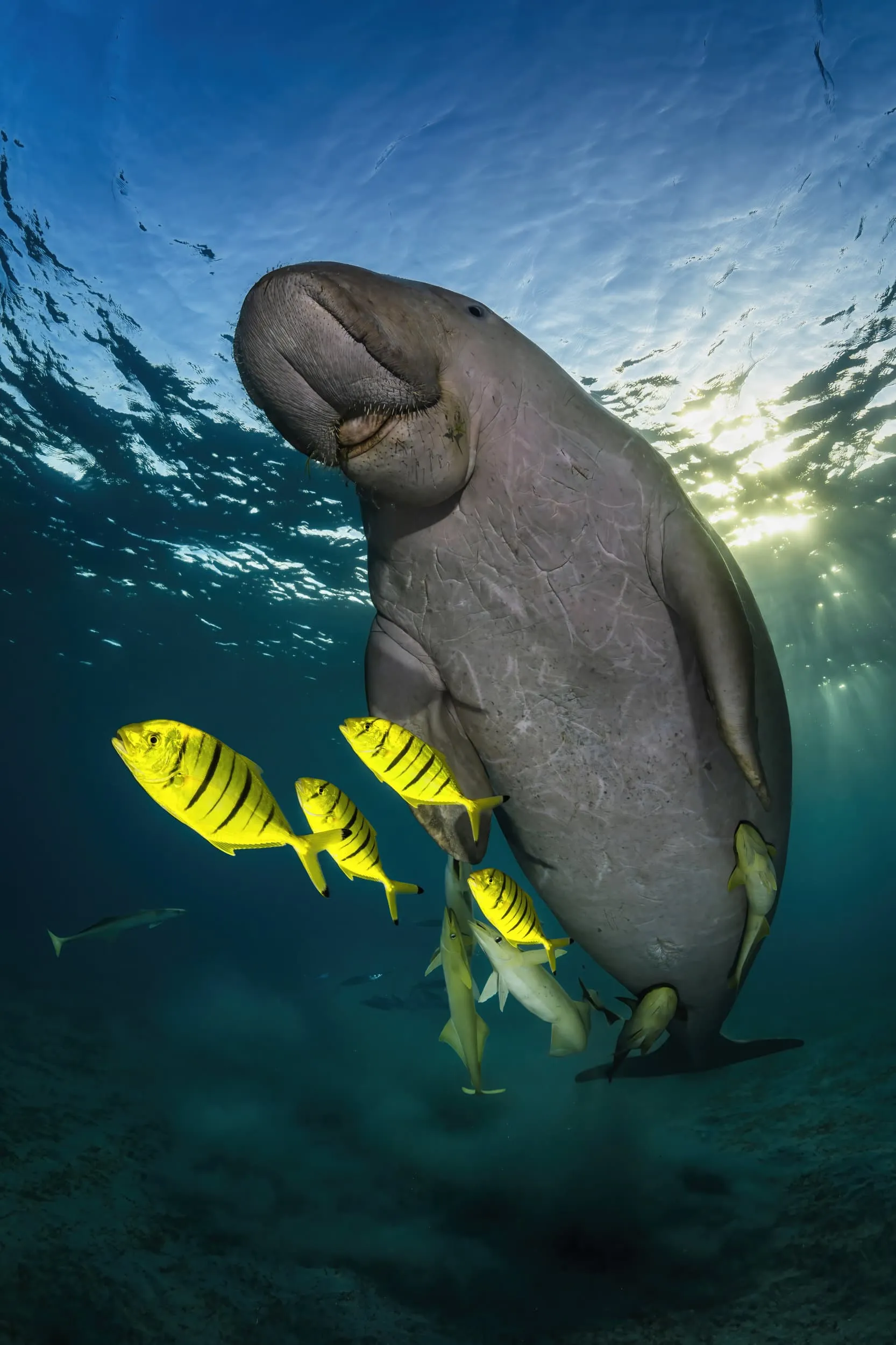
Underwater Finalist
A rare and intimate encounter with a dugong, captured while freediving off the coast of Egypt. With only an estimated 30 individuals remaining in the Red Sea, dugongs face immense threats from habitat loss, pollution, and unsustainable tourism. As a keystone species, they are vital to the health of seagrass meadows, which serve as carbon sinks and critical marine habitats, underscoring the urgent need for strengthened conservation efforts.
Credit: Remuna Beca / The Nature Photography Contest 2025
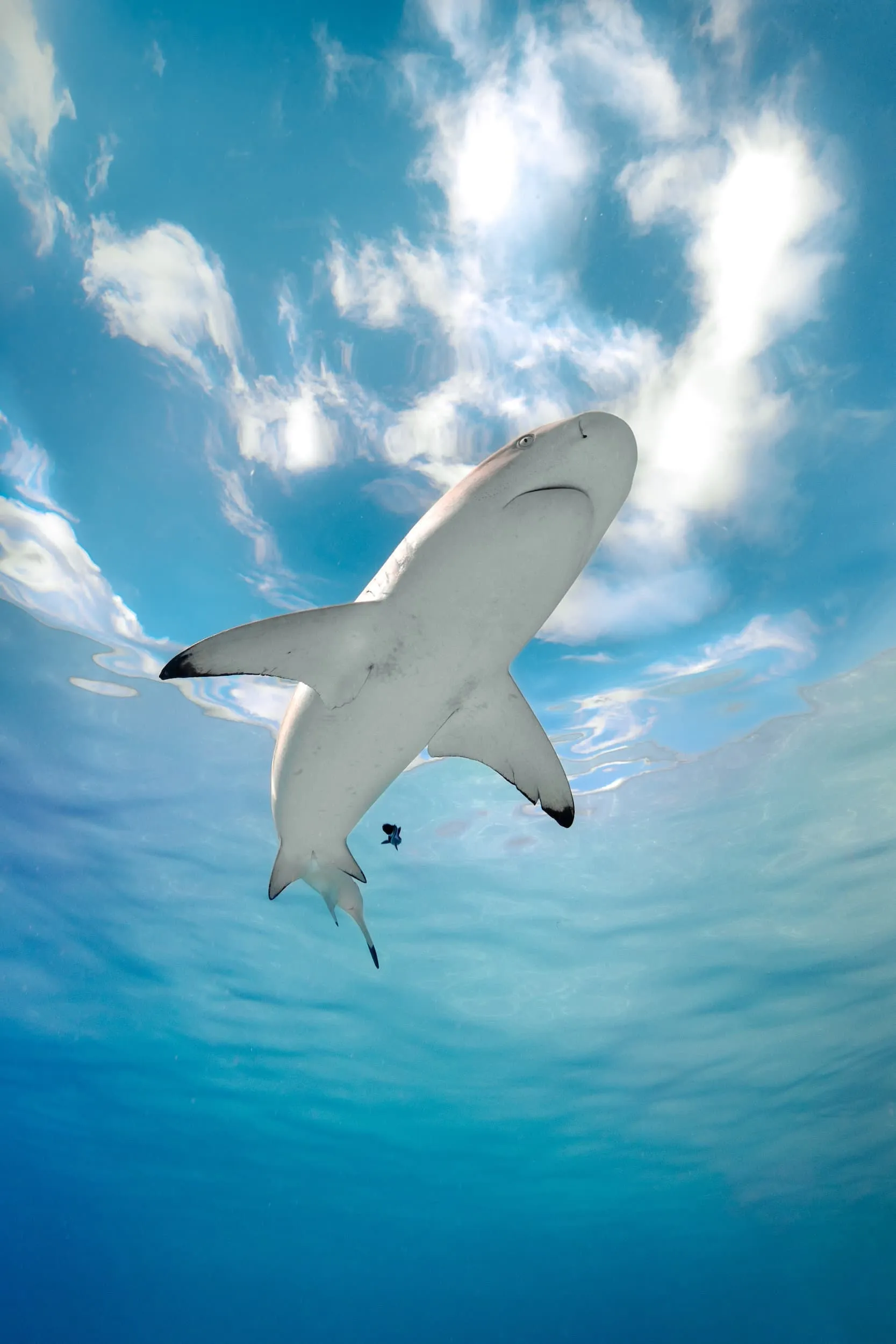
Underwater Finalist
Gliding between worlds, this blacktip reef shark is suspended in the blue where the sky and ocean meet. Here I could appreciate the shark as more than just an apex predators, but rather masters of evolution honed to thrive in their environment. Sharks have existed for over 400 million years, long before trees, perfectly adapted to the oceans they shape.
I watched the shark pass above me as its silhouette seemingly glided clear blue sky. From beneath, its movements felt as aerodynamic as an aircraft cutting through open air. Weightless, effortless, free.
This was taken in the Maldives, which was a coveted sanctuary for sharks in the Indian Ocean. However, in 2025, the 15 year long ban on shark fishing was removed, highlighting that conservation is an ongoing fight and we must tirelessly continue to push for the rights of our natural world.
Credit: Jono Allen / The Nature Photography Contest 2025
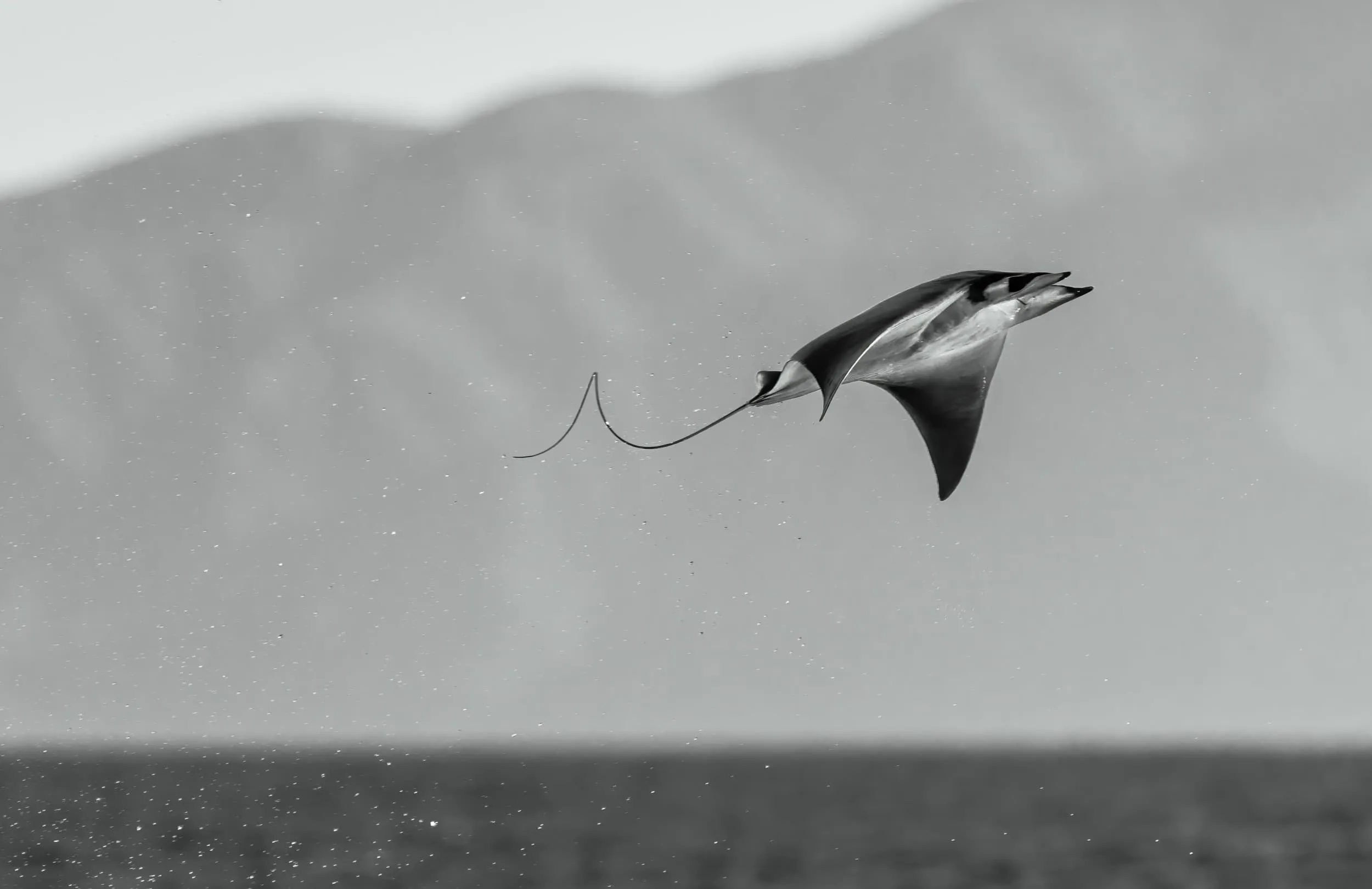
Photographer of the Year 2025
Mobula rays exhibit stunning acrobatics when jumping out of the water. They suddenly burst out of the sea like a rocket and become airborne, eventually landing back in the sea in a belly flop or flipping onto their backs. It’s not known exactly why they do this, but theories include communication, ridding of parasites, part of a mating ritual, or just because they are happy. Sea of Cortez, Baja California Sur, Mexico.
Credit: Angela J Sanchez / The Nature Photography Contest 2025
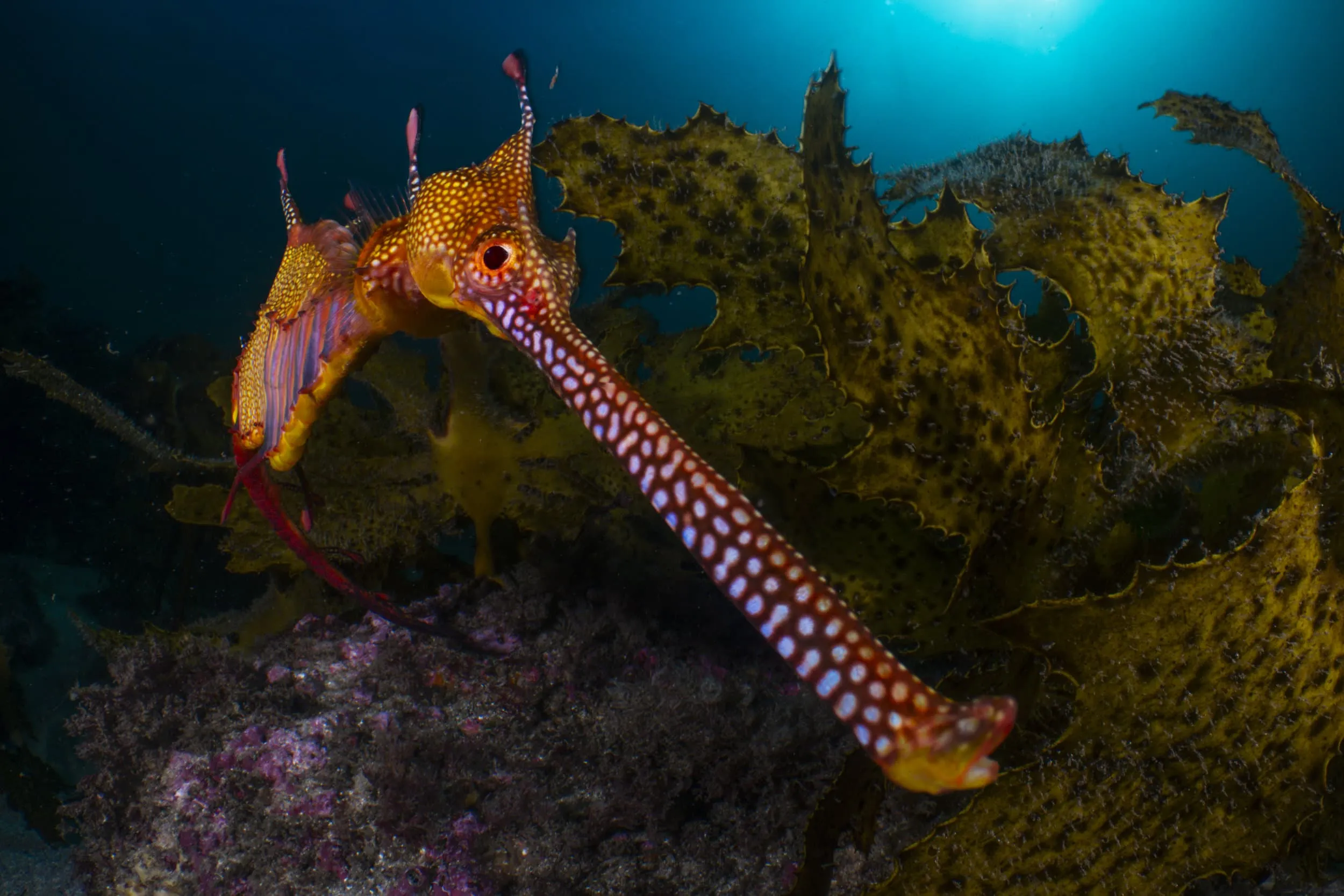
Underwater Finalist
Tucked deep within the coral polyps above the black volcanic sand of Indonesia’s Lembeh Strait, a pughead pipefish peers out for the briefest moment through a perfectly framed gap. Its wide-eyed look feels almost startled, offering a fleeting and expressive glimpse into the life of a rarely seen reef resident.
Credit: Daniel Sly / The Nature Photography Contest 2025
Wildlife Finalist
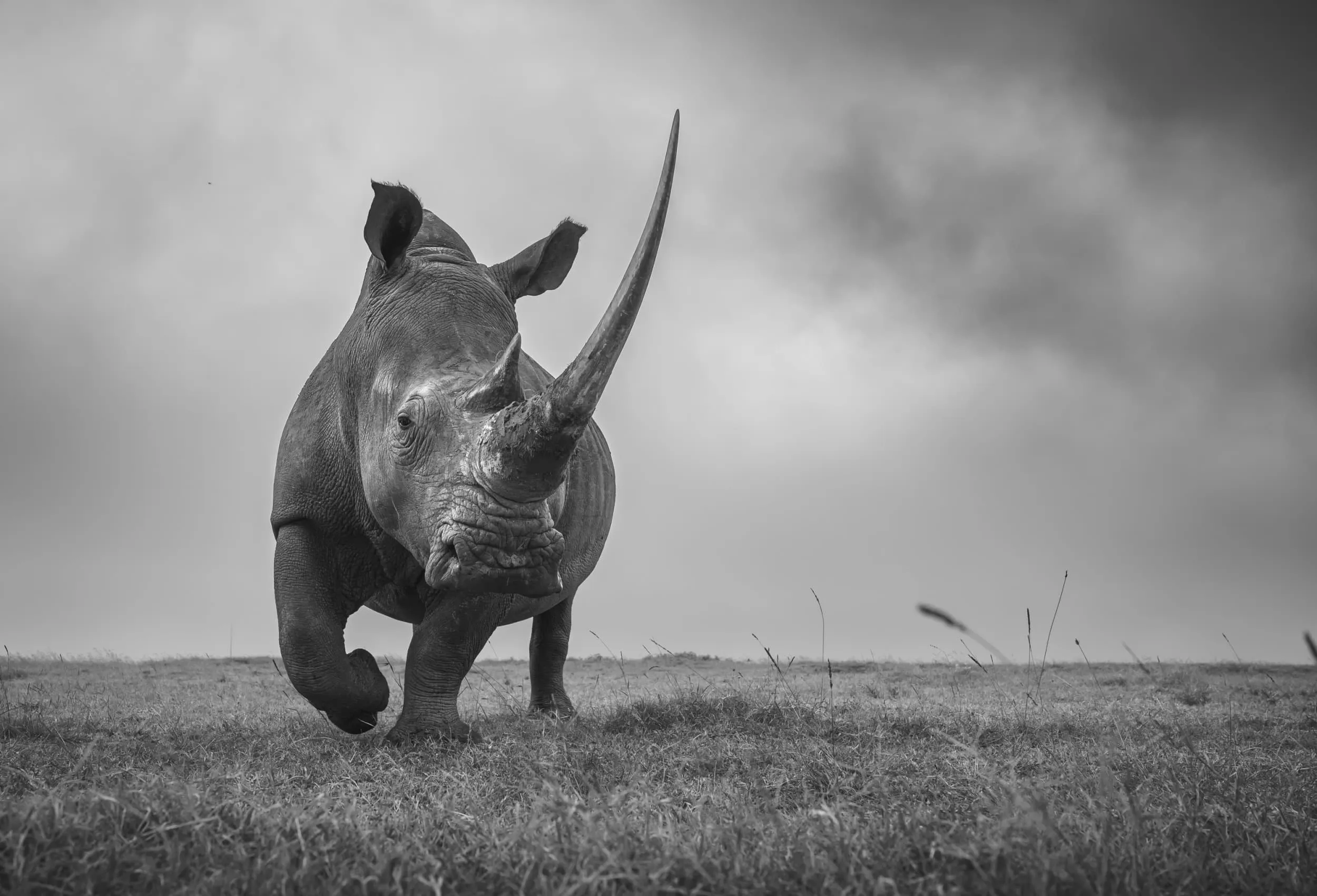
In the fading light of time, power remains—etched not in thrones or temples, but in the muscle, horn, and silence of nature’s oldest guardians.
A portrait of strength not shouting, but enduring.
Credit: Amish Chhagan / The Nature Photography Contest 2025
Sharing the Planet Finalist
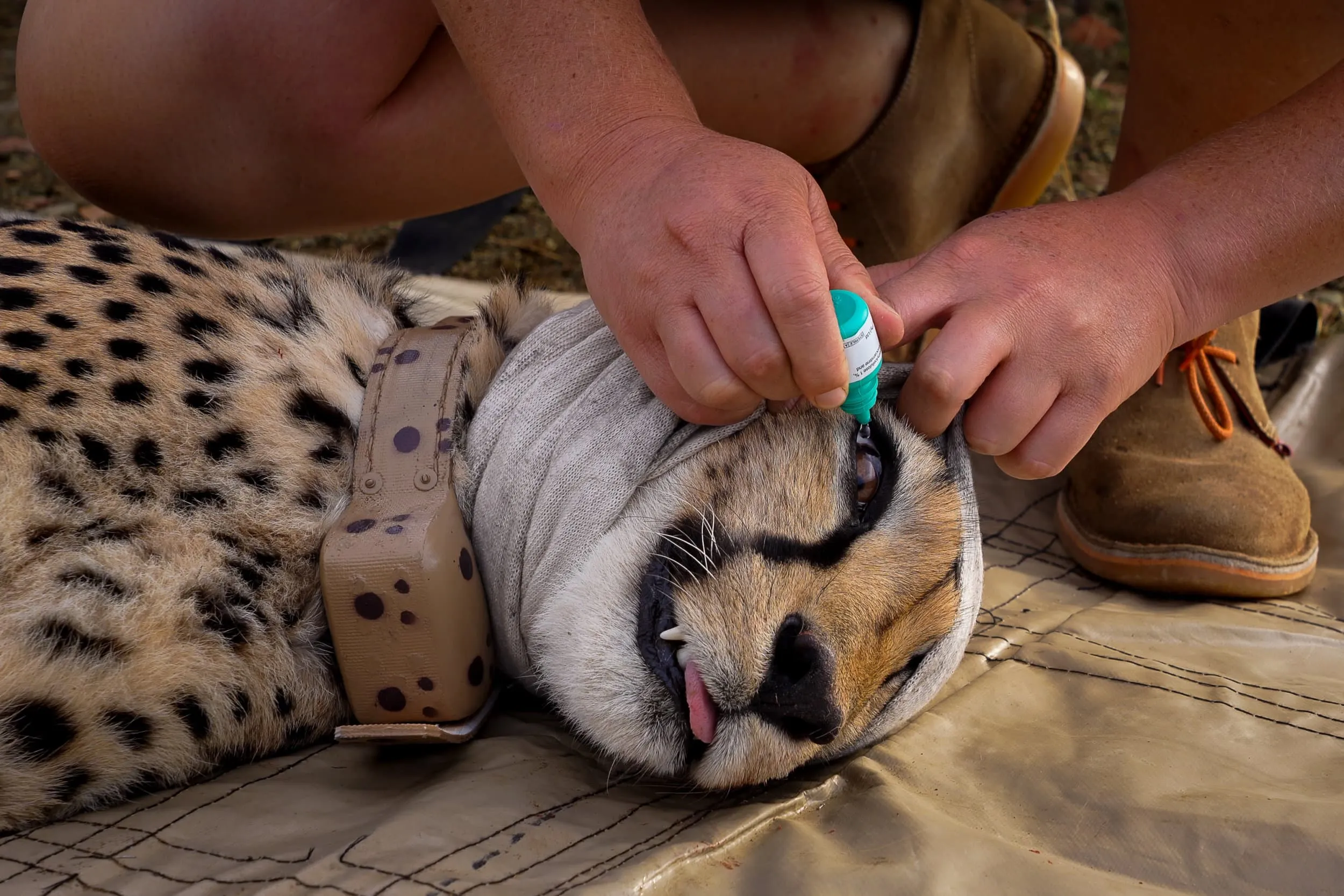
A veterinarian carefully administers eye drops to an immobilized cheetah.
Cheetahs are exceptionally fragile cats and ensuring their well-being during immobilization is always the top priority. Because a sedated cheetah cannot blink, an eye ointment is applied to keep the eyes lubricated, after which they are covered to protect them from dust, prevent drying and help keep the animal calm.
In South Africa, wildlife reserves are fenced to protect both animals and people. However, this also limits natural movement between protected areas. To maintain genetic diversity and build a healthy, resilient cheetah population, translocations are essential. This individual was moved from a reserve in South Africa to one in Mozambique as part of these conservation efforts.
Photo taken in the Karoo, South Africa, in collaboration with the Endangered Wildlife Trust, which launched the Cheetah Range Expansion Project in 2012 to help boost cheetah numbers across the region.
Credit: Linda Smit / The Nature Photography Contest 2025
Sharing the Planet Finalist
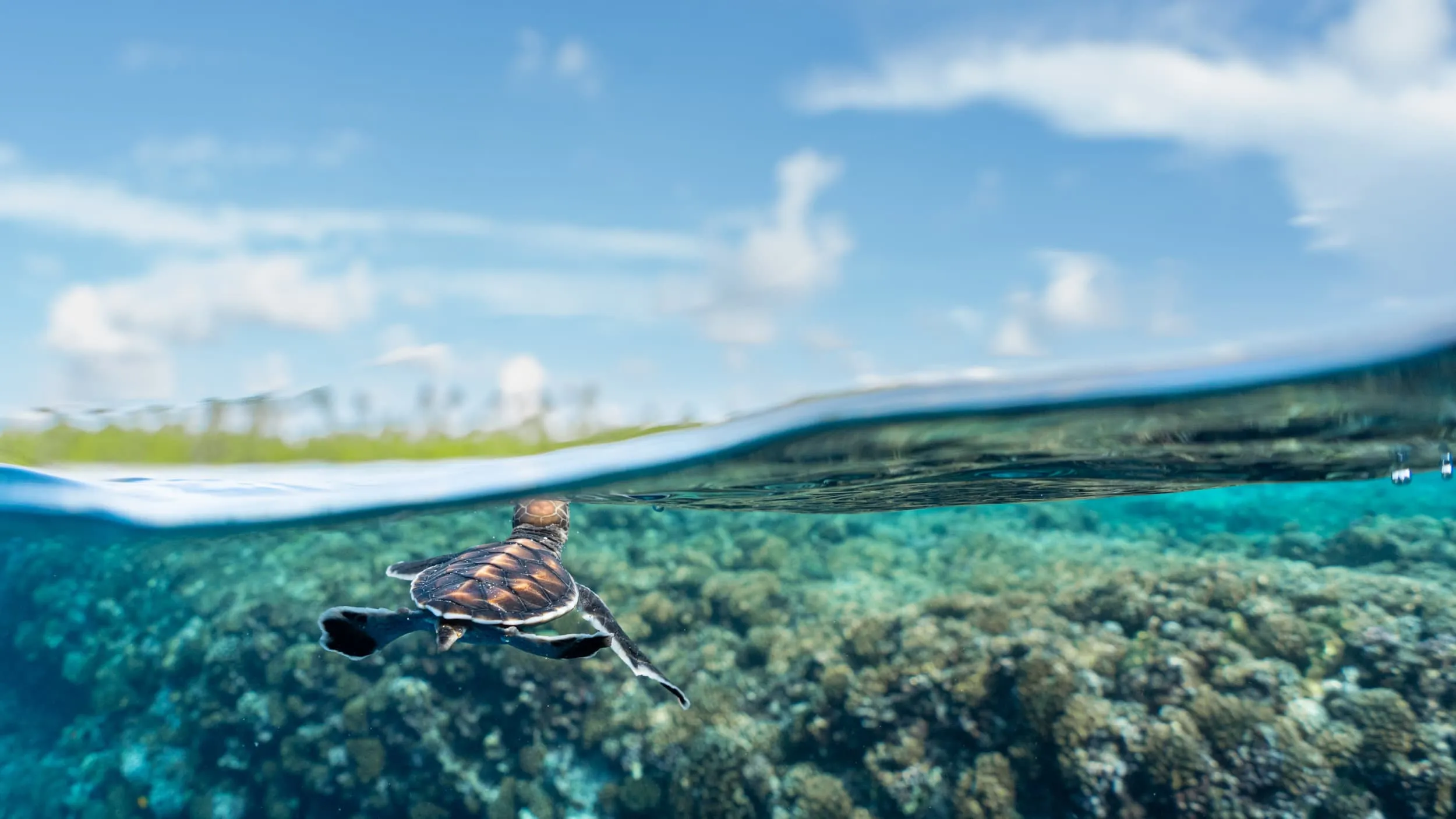
This image was taken in October 2024 during the same photojournalism project on the atoll of Tetiaroa, where green sea turtles return every year to nest. From October to April, females come ashore at night to lay their eggs high on the beach — a ritual that has taken place here for centuries, when the atoll was still a wild, untouched sanctuary covered in coastal vegetation.
But in recent years, the shoreline has changed. An eco-resort now stands on the beach, with bungalows, pathways, and the lights that come with them. The night that once belonged only to the turtles is no longer completely dark.
I found this turtle at dawn, exhausted, moving slowly along the hotel swimming pool. After hours spent searching for a suitable nesting spot — digging, abandoning, trying again — she had not laid her eggs. Disoriented, she wandered through the resort, brushing against lounge chairs and crossing concrete paths before finally finding her way back to the sea, guided only by the first soft light of morning.
Yet this place, The Brando, is also actively working to protect the species it now shares the island with: red filters soften beachfront lighting, bungalows are set back and elevated to leave natural corridors, and monitoring programs follow each nesting season.
This moment, quiet and fragile, reflects the new reality of sea turtles in a human-shaped world — still resilient, but forced to navigate choices we never meant them to face. The question is no longer whether they can adapt, but whether we will adapt fast enough to let them keep returning.
Credit: Théo Guillaume / The Nature Photography Contest 2025
Sharing the Planet Finalist
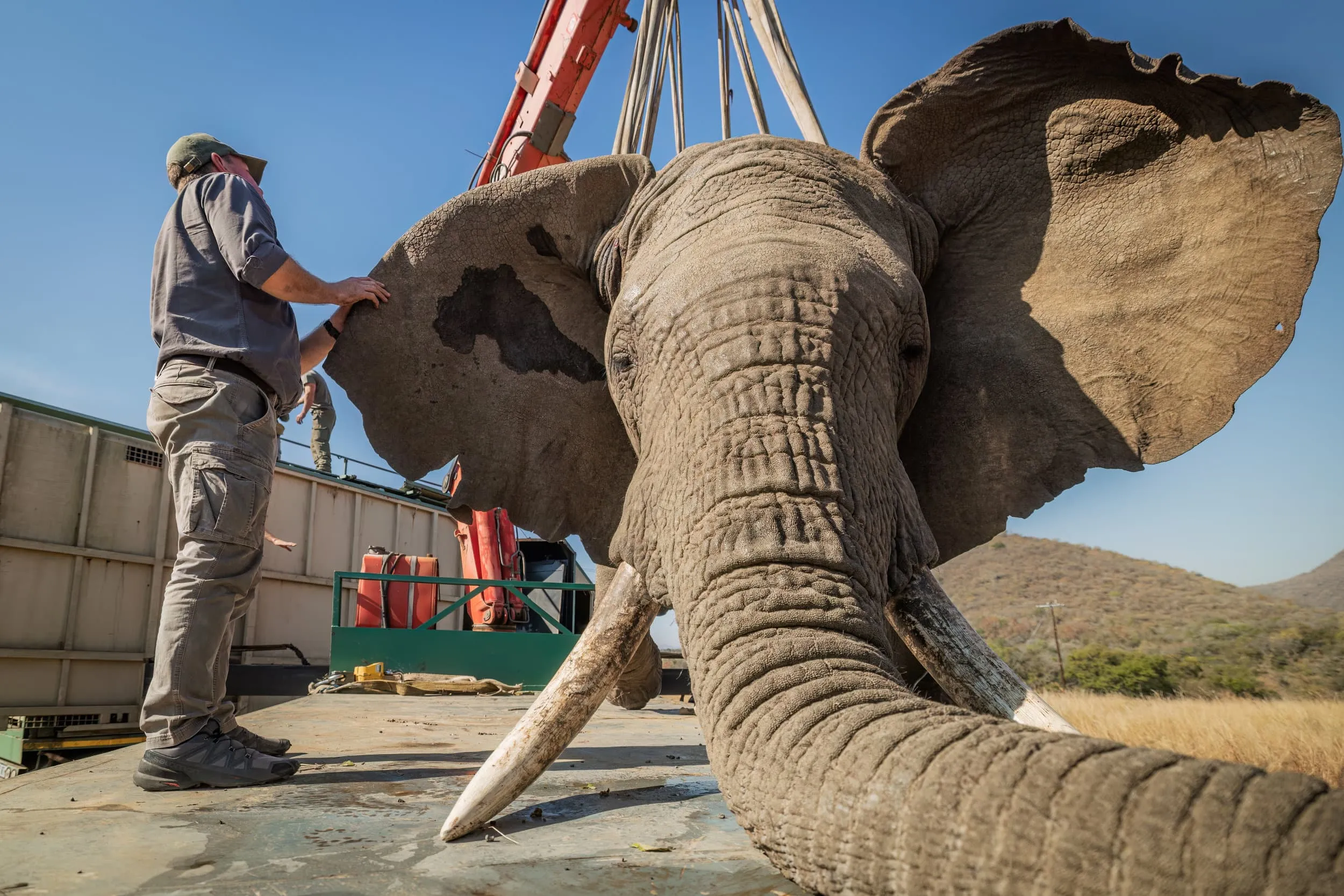
The Mpumalanga Tourism and Parks Agency (MTPA), in partnership with conservation NGO WeWild Africa, is proud to announce the successful translocation and rewilding of Tswale, a captive bull elephant, to the Bellevue Forest Reserve in South Africa’s Eastern Cape Province.
Tswale, who was captured as a calf and has lived his entire life in captivity, has now been given the opportunity to live freely in a protected wild environment. This landmark conservation effort was made possible through the collaboration of MTPA, WeWild Africa, and supporting partners including the EMS Foundation and Animaltalk Africa Trust.
“Tswale has been successfully integrated into the resident herd at Bellevue Forest Reserve, a well- managed private nature reserve selected for its ideal conditions—including suitable vegetation, consistent water availability, and a balanced elephant population. This makes it the perfect forever home for Tswale.”- confirmed MTPA.
Before fully joining the herd, Tswale spent time in a rewilding enclosure under the close supervision of his long-time handler, Amos Jivendava, who has cared for him for over 20 years. Mr. Jivendava accompanied Tswale throughout the entire relocation and rewilding process, ensuring a smooth and humane transition. He has since moved on to assist with similar rewilding efforts for other captive elephants.
“Tswale is finally where he belongs,” said Dereck Milburn of WeWild Africa. “He spent too long being treated as a commodity. His story proves that elephants raised in captivity for human interaction can successfully adapt and thrive in the wild. We hope this serves as inspiration for other captive elephant owners to do the same.”
Remaining under the custodianship of the MTPA, Tswale is thriving in his new environment—integrating well with the herd and even showing protective behaviour toward the younger elephants as if they were his own. Loodt Buchner, owner of Bellevue Forest Reserve, shared: “Tswale is home. We are honoured to provide him with a place where he can live freely, as nature intended.”
This successful rewilding marks a hopeful step forward for captive elephants across South Africa and reinforces the importance of ethical conservation and responsible wildlife management.
Credit: Wiktoria West / The Nature Photography Contest 2025
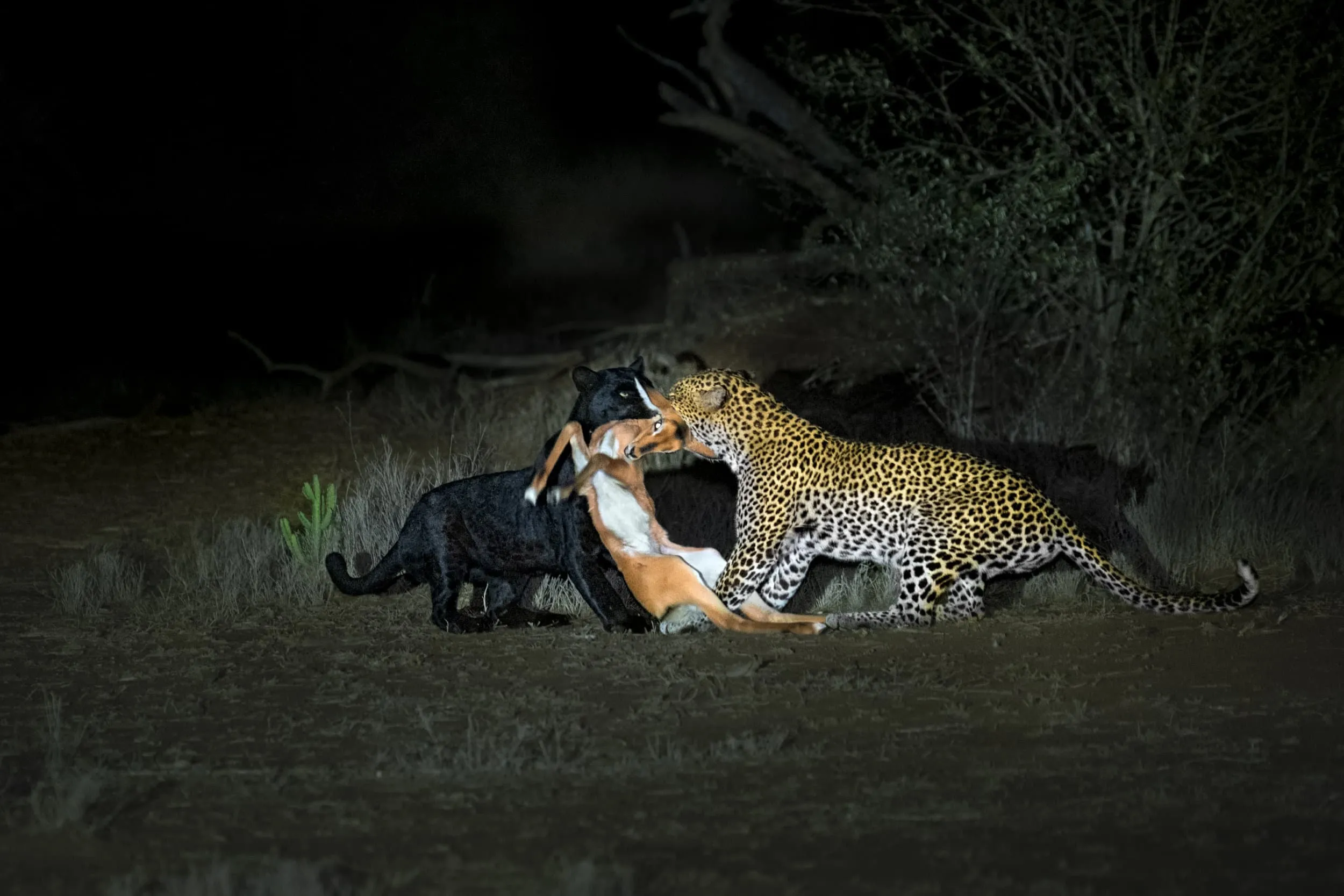
Night World Finalist
This extraordinary image captures a breathtaking moment of synchronicity in the wild, where two leopards—one a rare black leopard and the other a common spotted leopard—have both successfully captured prey at the same time. Such an occurrence is truly one-in-a-million, making this scene not only a visual marvel but also a powerful reminder of the unpredictability of nature. The contrast between their coat colors—one jet black and the other traditionally spotted—adds to the fascination, showcasing the incredible diversity within the same species. This rare event not only highlights the beauty and power of these majestic predators but also emphasizes the delicate balance and dynamic interactions that occur in the wild. The photograph stands as a testament to the raw, untamed elegance of nature’s creatures, immortalizing a fleeting moment that perfectly encapsulates the astonishing unpredictability of the natural world.
Credit: Thomas Vijayan / The Nature Photography Contest 2025
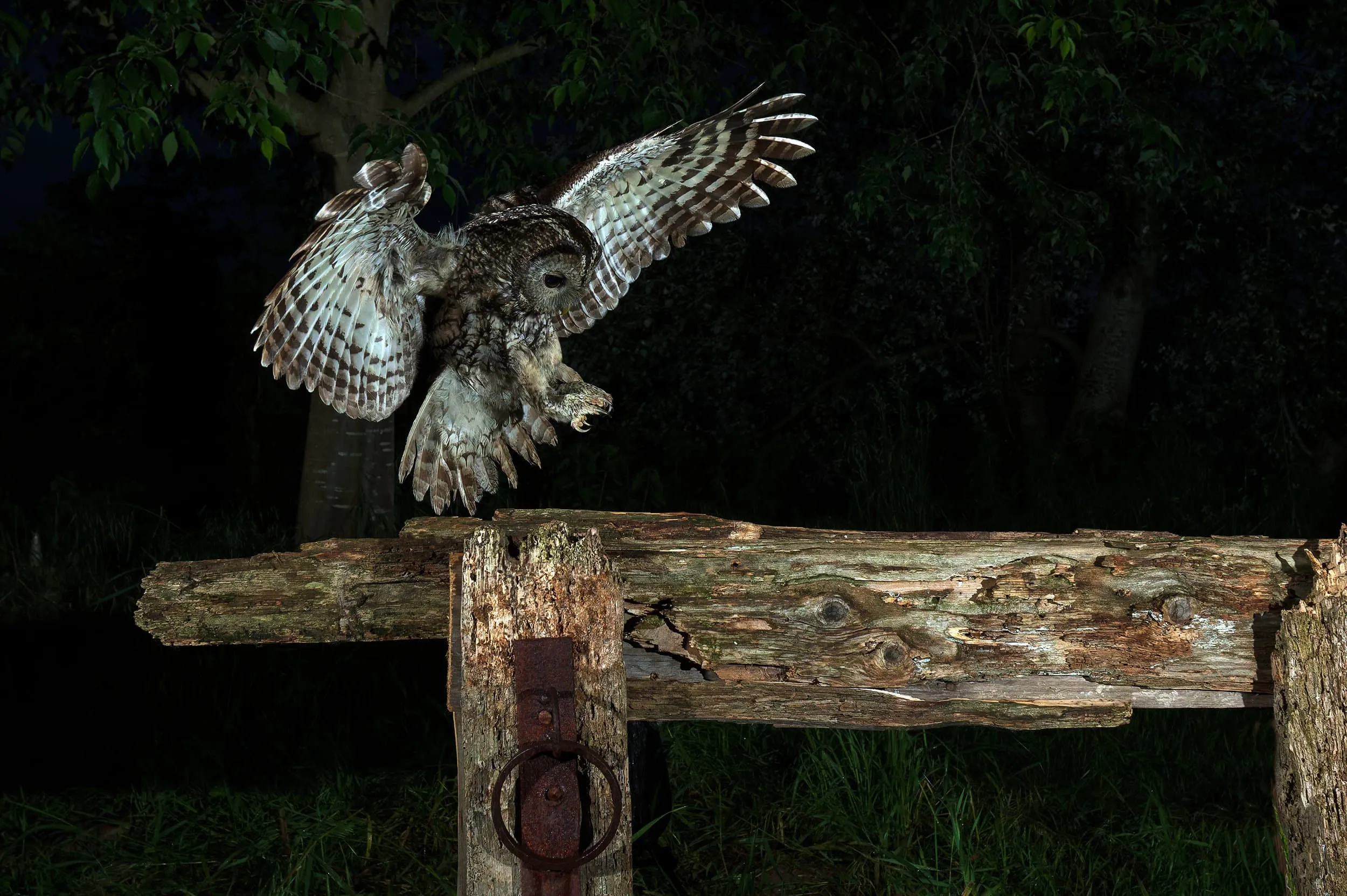
Night World Finalist
This Tawny owl used this old fence as a perch before going hunting.
Credit: Simone Bottini / The Nature Photography Contest 2025
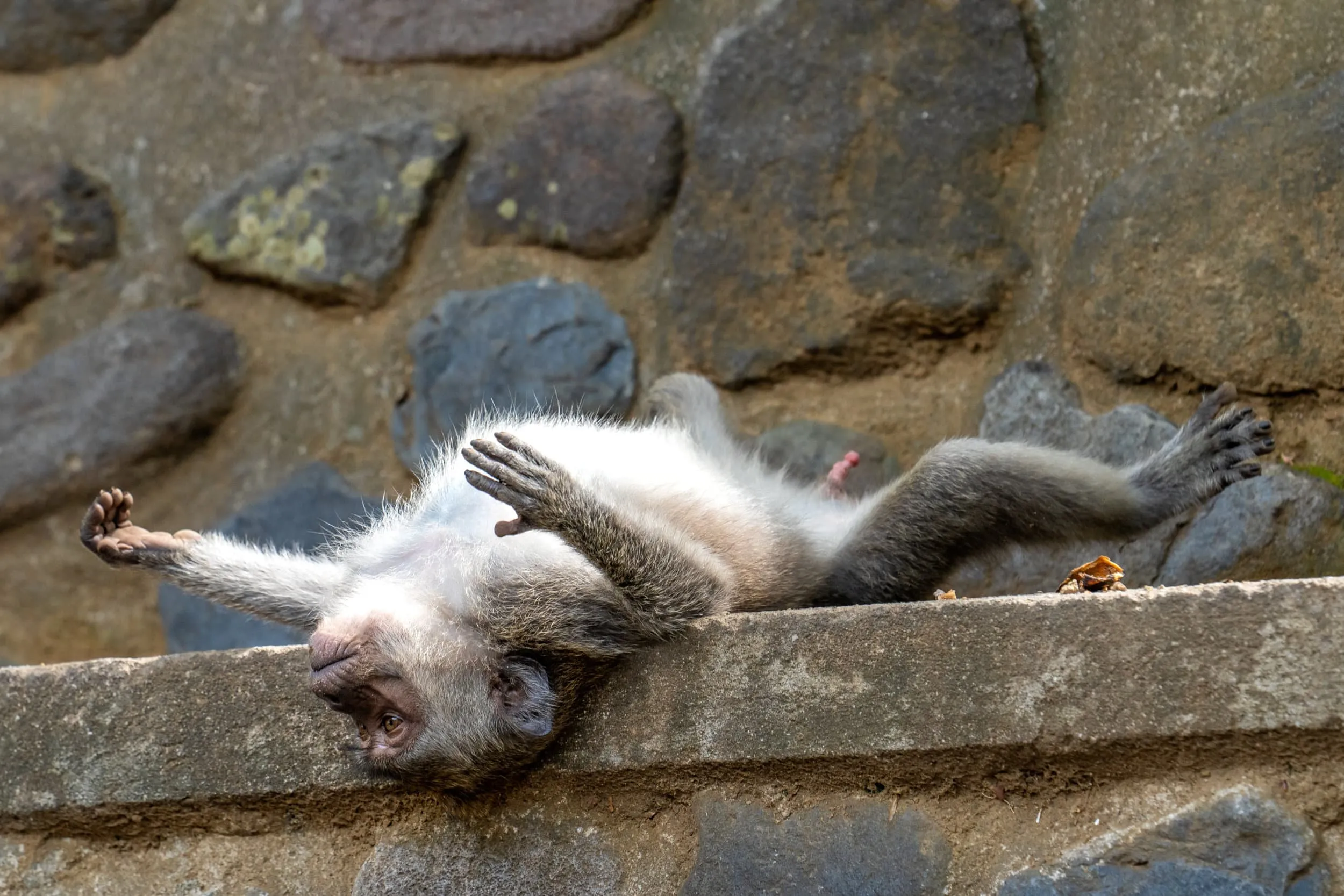
Funny Nature Finalist
A young macaque sprawls out in total relaxation on a stone ledge in Bali, arms stretched wide as if embracing the simple joy of doing absolutely nothing. A perfect snapshot of island-style freedom and cheeky monkey personality.
Credit: Victor Hawk / The Nature Photography Contest 2025
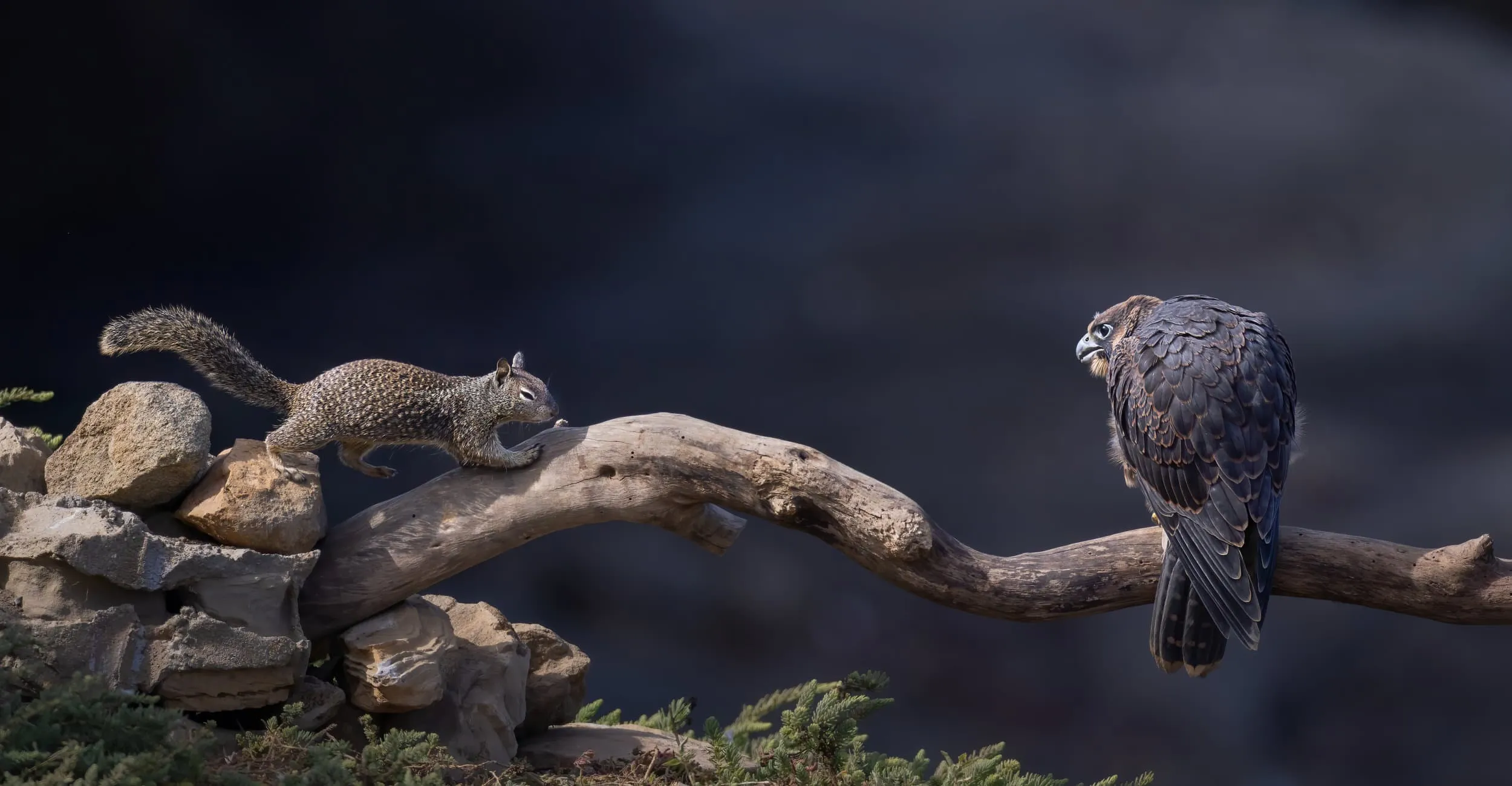
Funny Nature Finalist
Luckily for this squirrel, this recently fledged peregrine falcon had not mastered his hunting skills yet. The mother falcon was also focused mostly on flying prey rather than the many ground squirrels running around the cliffs. However, this young falcon did not look too pleased with his furry visitor. Point Fermin Park in the San Pedro district of Los Angeles, California, USA.
Credit: Angela J Sanchez / The Nature Photography Contest 2025
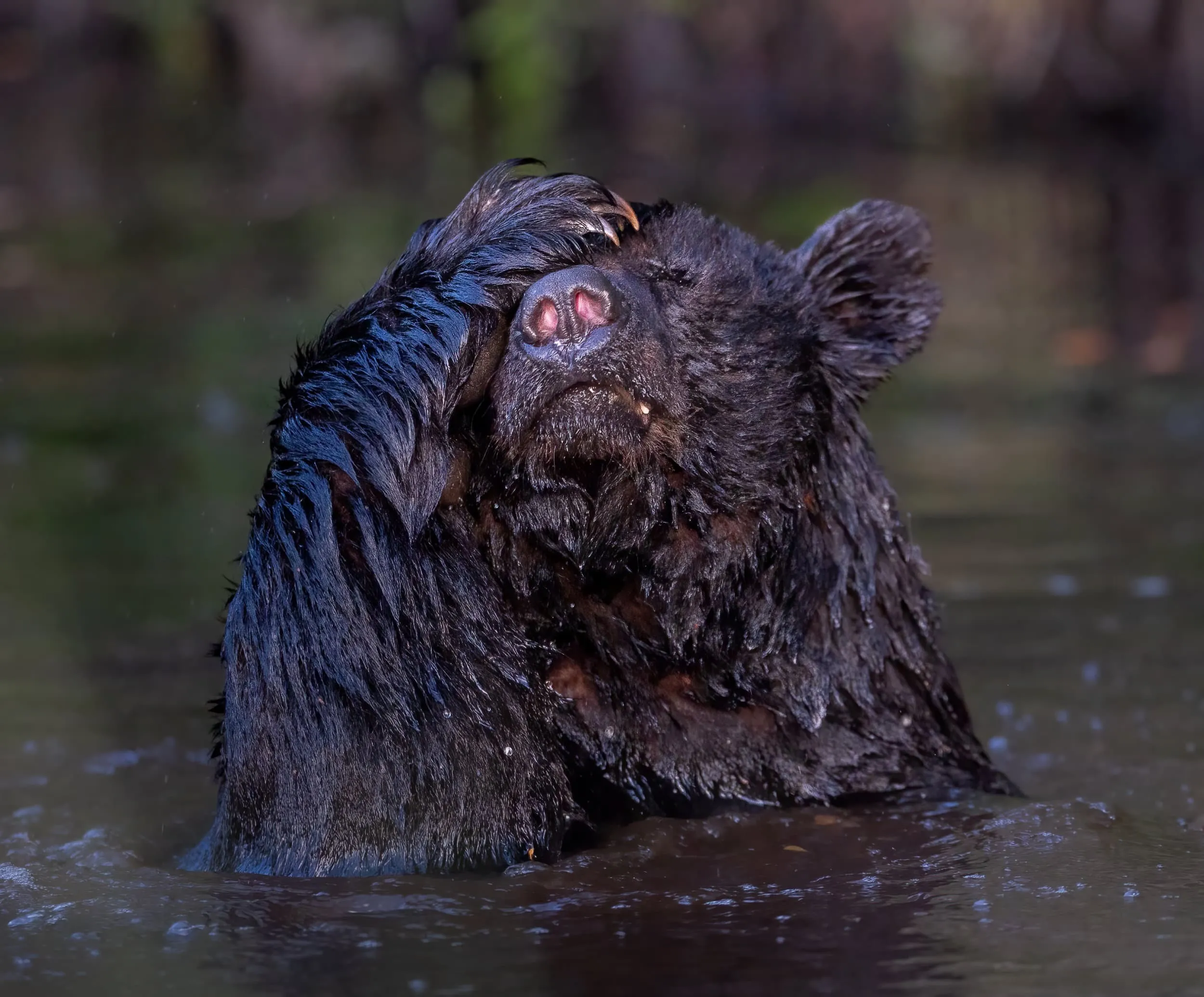
Funny Nature Finalist
A black bear taking a springtime bath in the Alligator River National Wildlife Refuge in the Outer Banks area of North Carolina, USA.
Credit: Angela J Sanchez / The Nature Photography Contest 2025
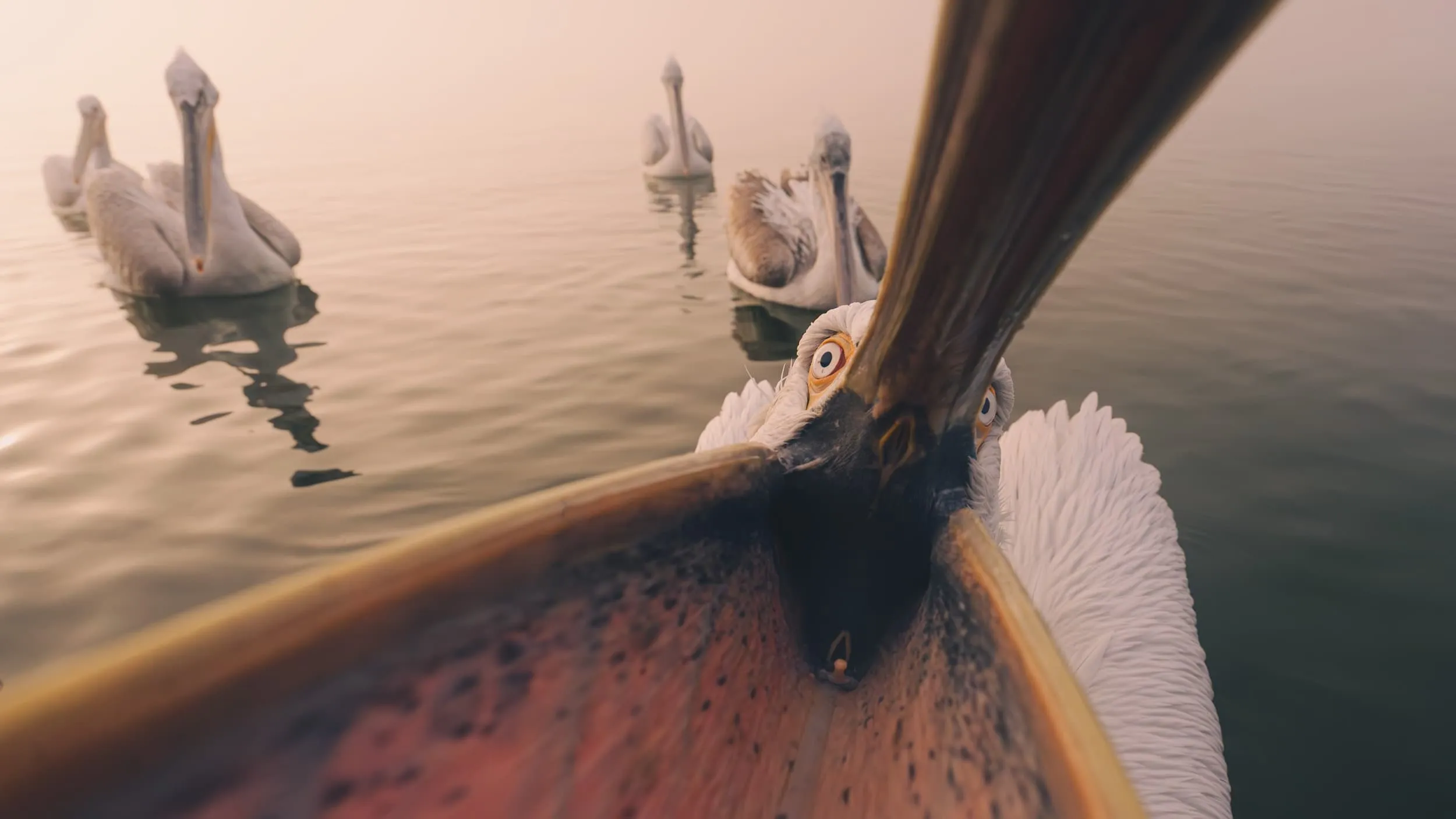
Funny Nature Winner
A Dalmatian Pelican opens its bill wide right in front of the camera as a group emerges through the soft morning mist-a close, intimate moment showing the character and presence of this iconic species.
Credit: Panagiotis Xaxiris / The Nature Photography Contest 2025
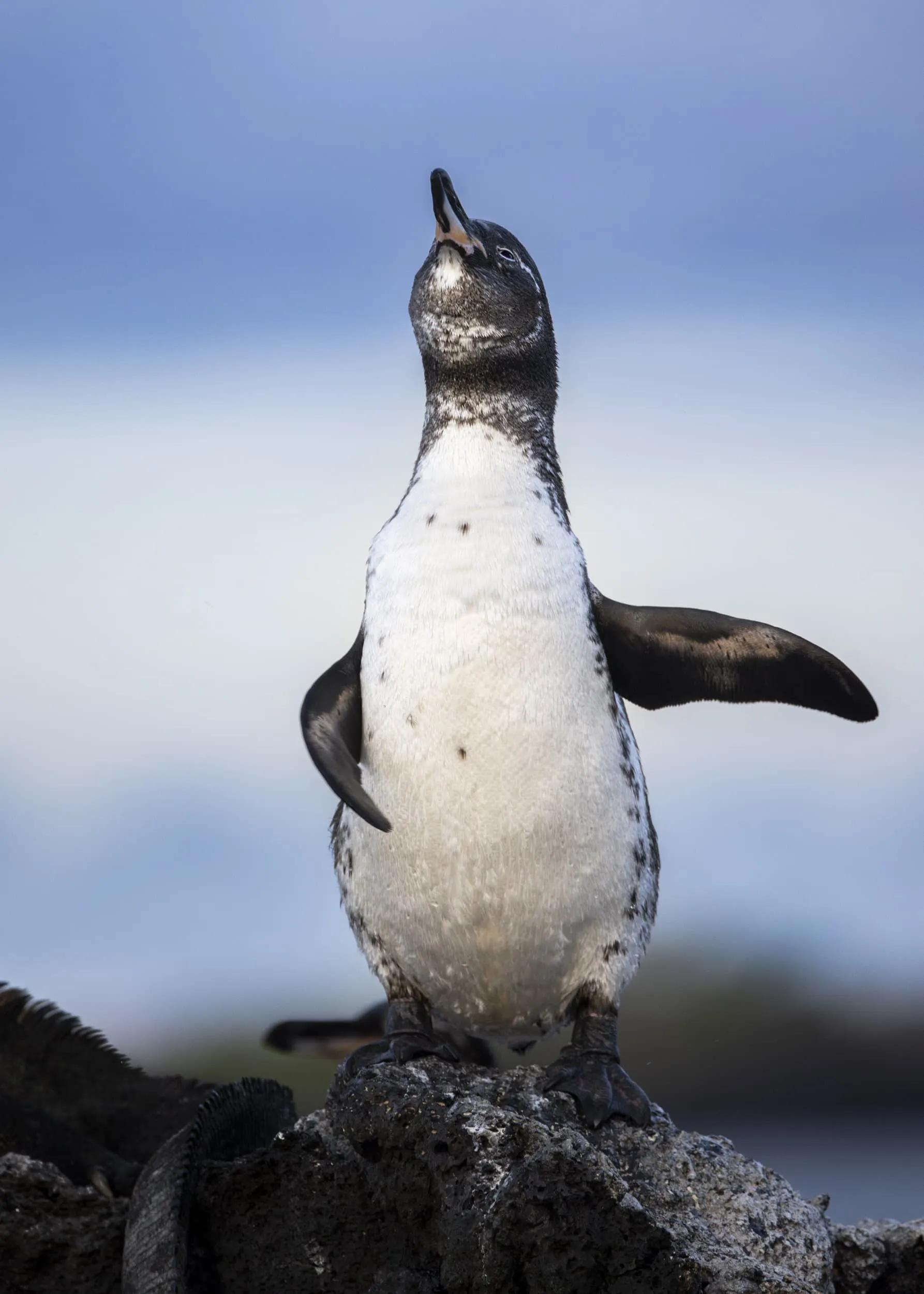
Funny Nature Finalist
One of the things I love about the Galápagos Islands is all the photography opportunities both on land and in the sea. There are so many endemic species found among the unique bundle of islands located west of Ecuador. One evening while leading a photography workshop, we were out on our dinghy cruising alongside the rocky shoreline. Resting on these rocks jutting out of the water were species such as marine iguanas, Galápagos sea lions, and the Galápagos penguins. This particular penguin was photographed while it roused its feathers, making it look like it was dancing or about to bow after a performance, which inspired the title, The Performer.
Credit: Trevor LaClair / The Nature Photography Contest 2025
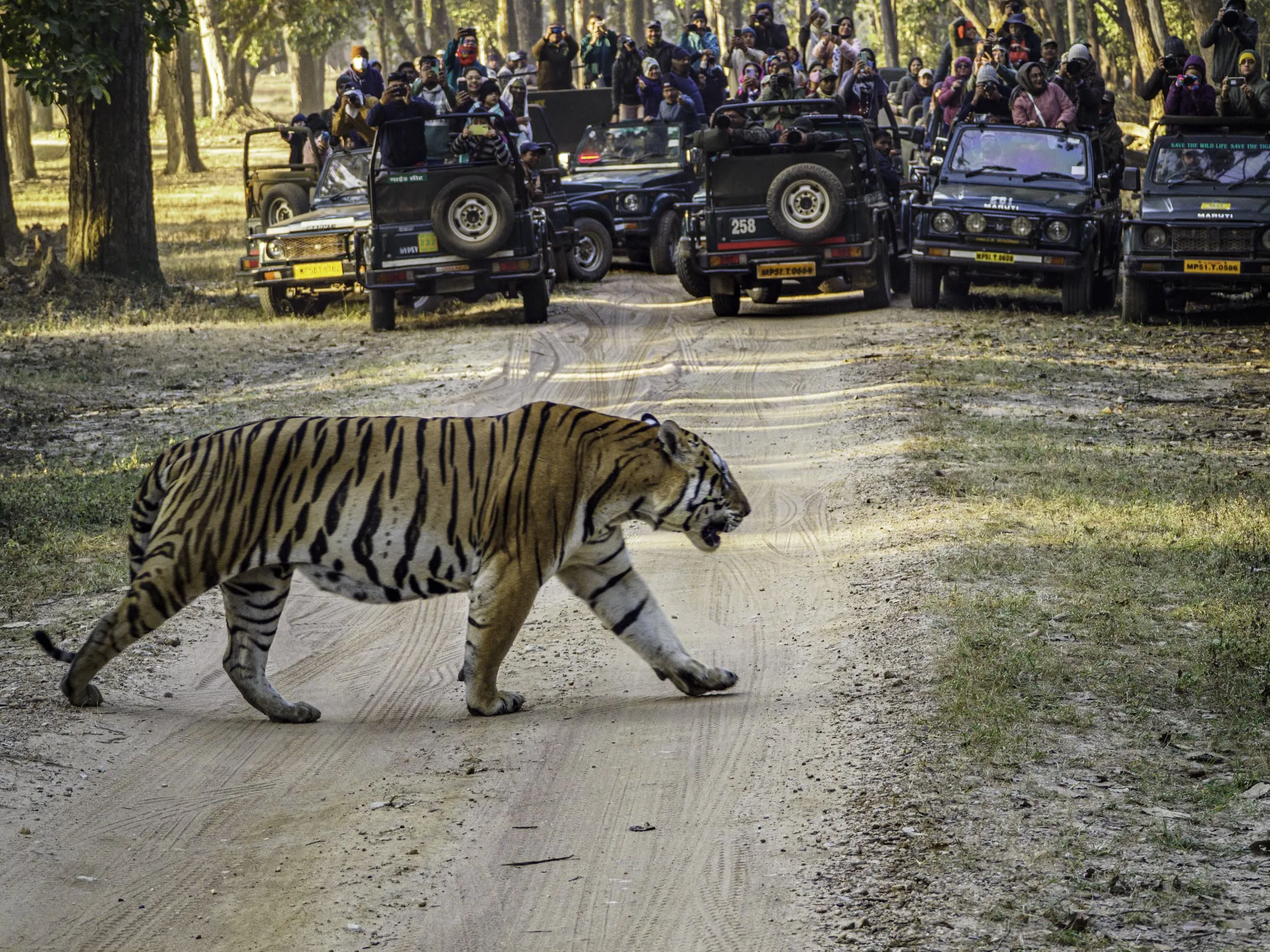
Environmental Impact Finalist
Taken in India whilst on safari. The tourists in the jeeps were waiting for the tiger to cross the track. Unfortunately she appeared to be used to the attention and the vehicles and just kept walking into the vegetation.
Credit: Janet Richardson / The Nature Photography Contest 2025
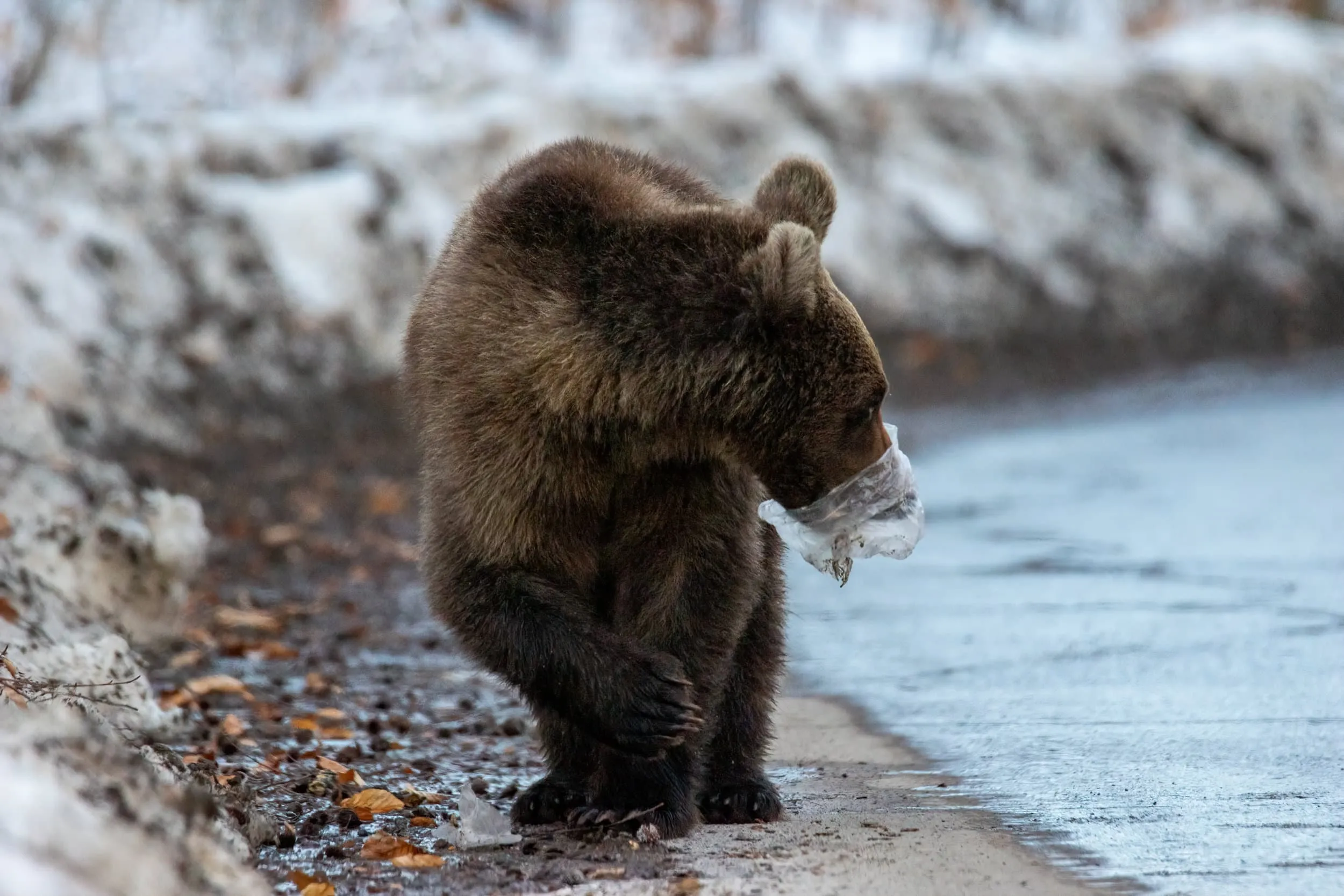
Environmental Impact Finalist
Feeding bears and its harmful effects.
Credit: Udvardi Jeno / The Nature Photography Contest 2025
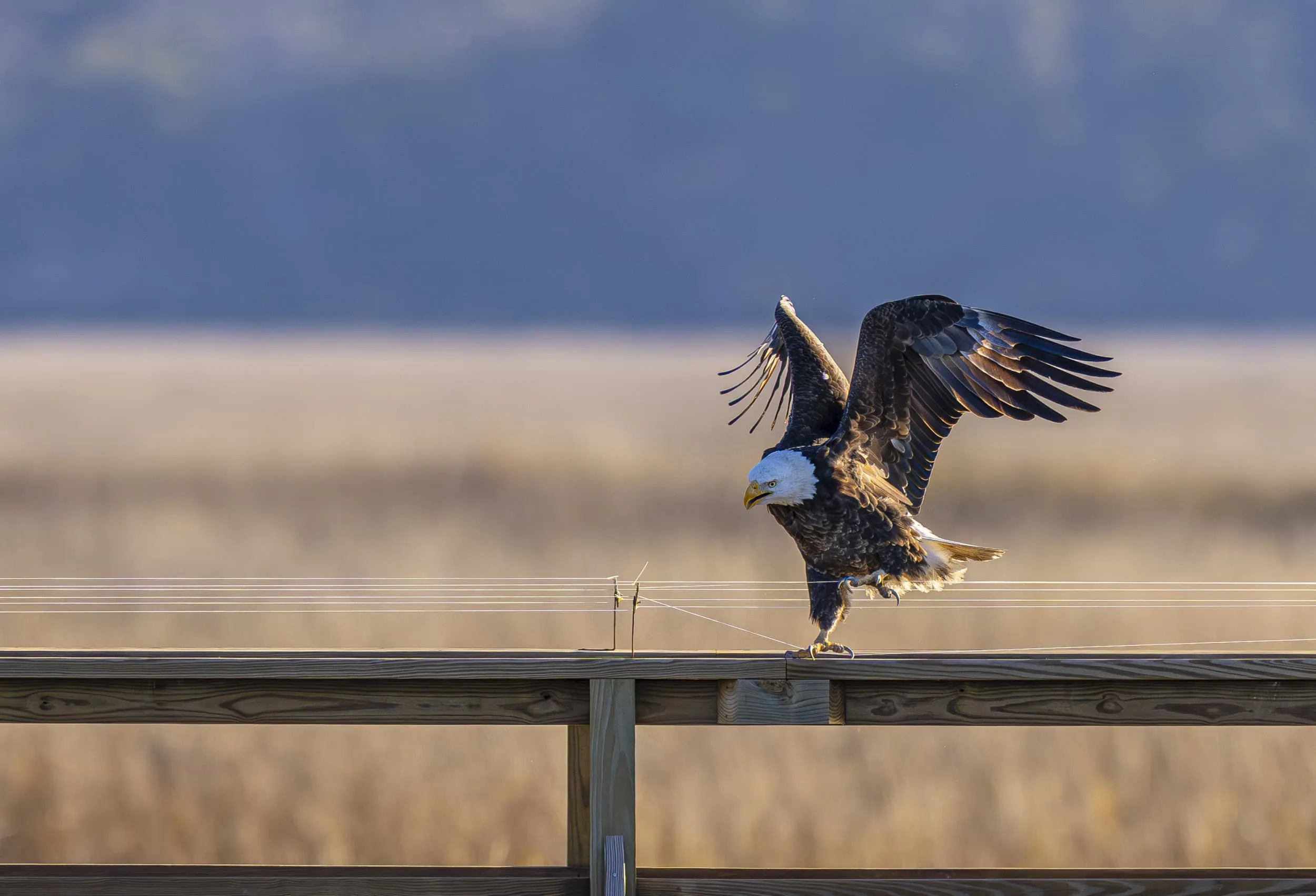
Environmental Impact Finalist
A Bald Eagle stumbles through strings placed on a dock as a bird deterrent. The strings are meant to keep flocking birds like gulls away, but we can see here the undesired outcome of raptors attempting to fish from these structures. This bird navigated well, even standing right on the top of the string to hold it down so it could perch easily. Sadly this is not always the case, and some birds perish.
Credit: Jacqueline Schletter / The Nature Photography Contest 2025
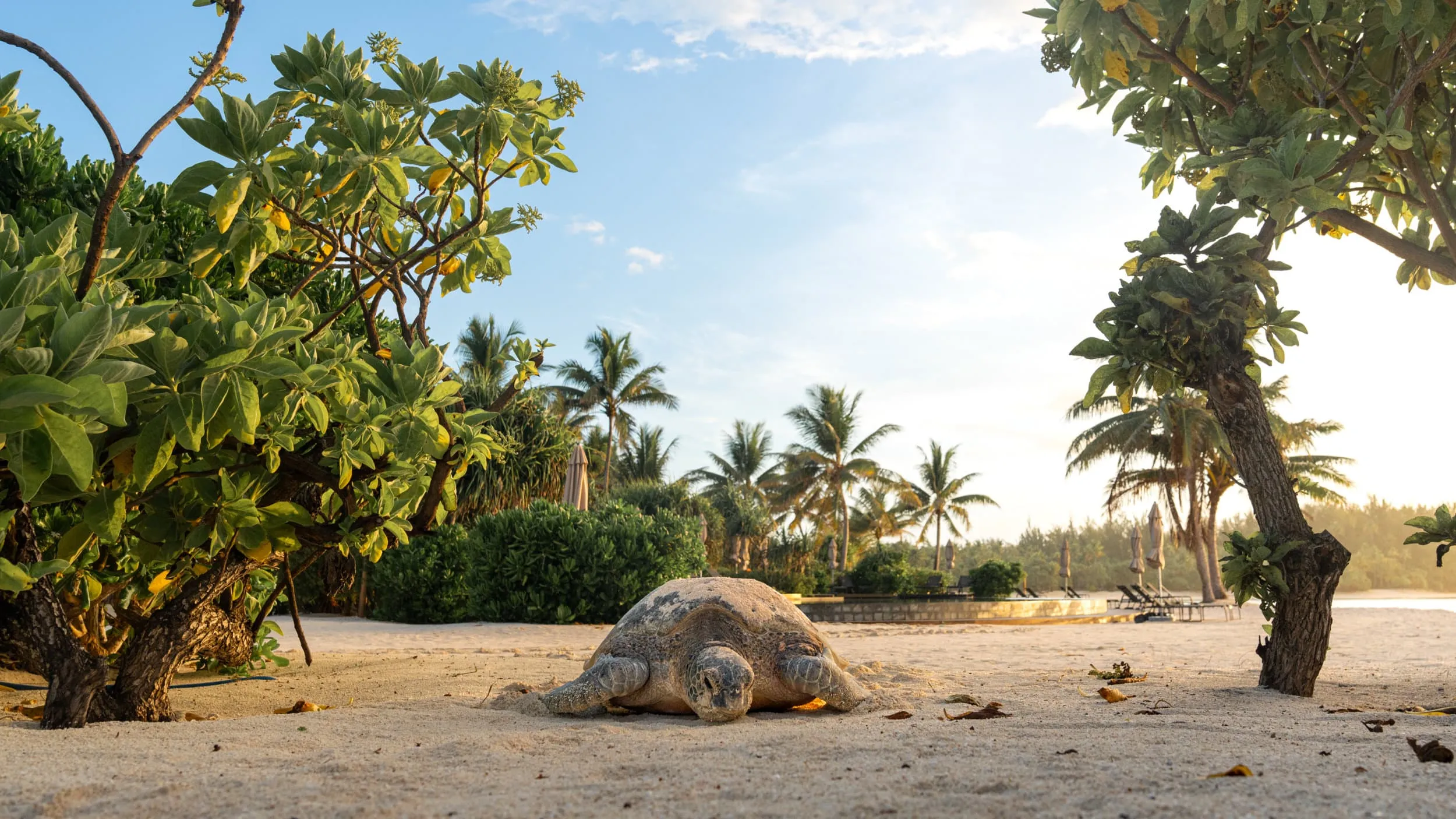
Environmental Impact Finalist
This image was taken in October 2024 during the same photojournalism project on the atoll of Tetiaroa, where green sea turtles return every year to nest. From October to April, females come ashore at night to lay their eggs high on the beach — a ritual that has taken place here for centuries, when the atoll was still a wild, untouched sanctuary covered in coastal vegetation.
But in recent years, the shoreline has changed. An eco-resort now stands on the beach, with bungalows, pathways, and the lights that come with them. The night that once belonged only to the turtles is no longer completely dark.
I found this turtle at dawn, exhausted, moving slowly along the hotel swimming pool. After hours spent searching for a suitable nesting spot — digging, abandoning, trying again — she had not laid her eggs. Disoriented, she wandered through the resort, brushing against lounge chairs and crossing concrete paths before finally finding her way back to the sea, guided only by the first soft light of morning.
Yet this place, The Brando, is also actively working to protect the species it now shares the island with: red filters soften beachfront lighting, bungalows are set back and elevated to leave natural corridors, and monitoring programs follow each nesting season.
This moment, quiet and fragile, reflects the new reality of sea turtles in a human-shaped world — still resilient, but forced to navigate choices we never meant them to face. The question is no longer whether they can adapt, but whether we will adapt fast enough to let them keep returning.
Credit: Théo Guillaume / The Nature Photography Contest 2025
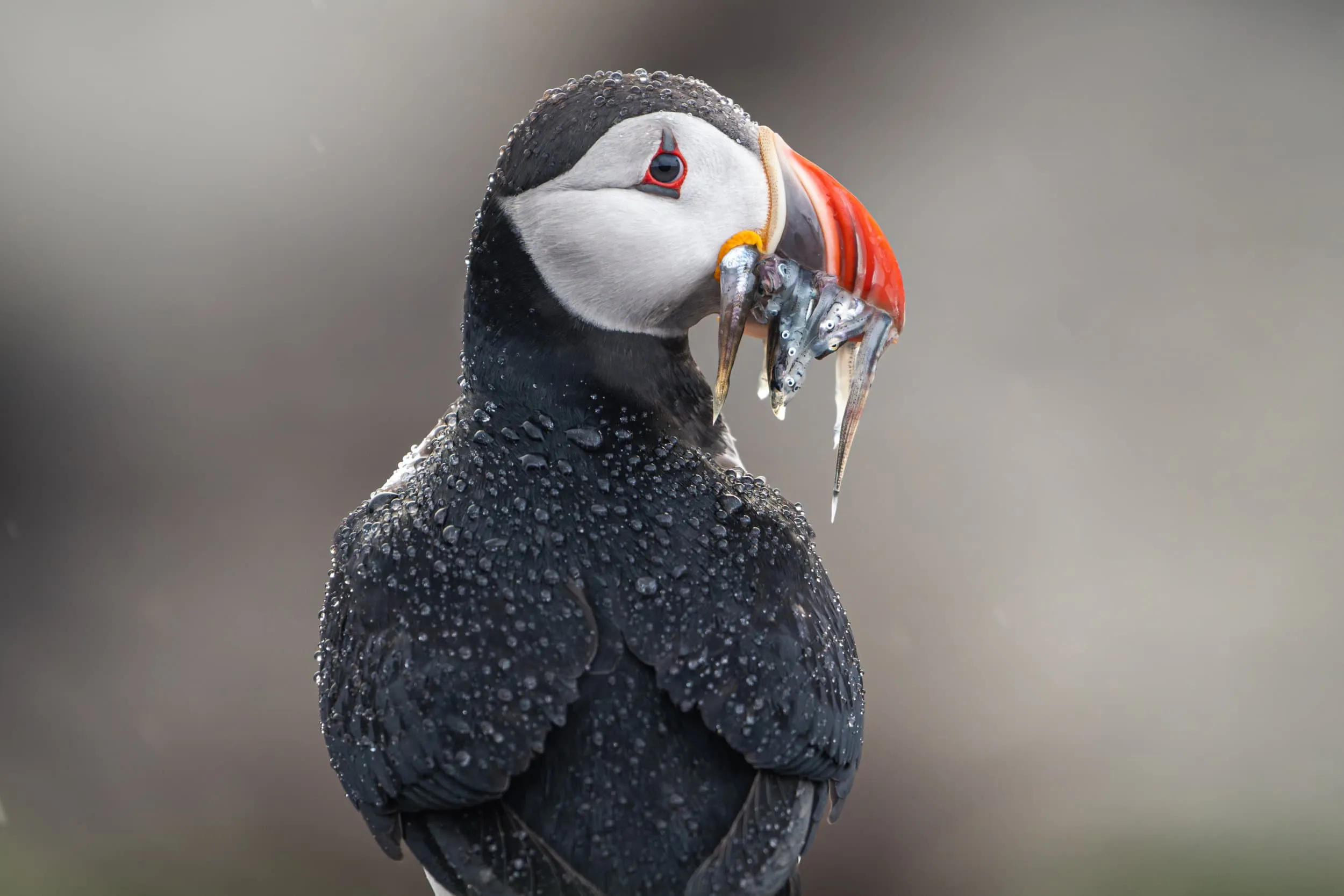
Birds Finalist
The rain has passed, leaving droplets across the puffin’s dark plumage as it turns its gaze to the lens, holding its fresh catch tightly in its beak.
Credit: Nikita Chicherin / The Nature Photography Contest 2025
Birds Finalist
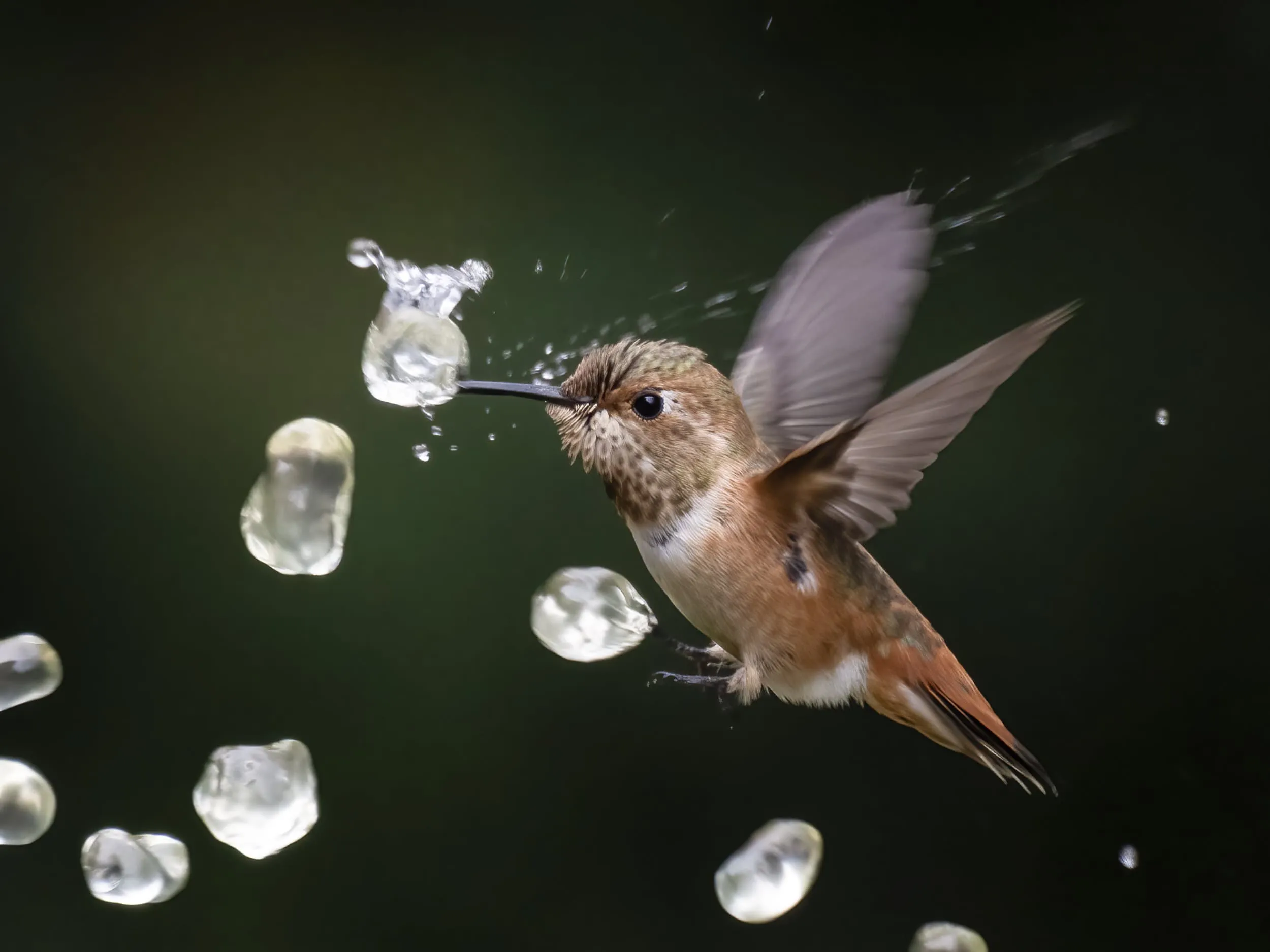
A Rufous Hummingbird pierces a water droplet with its bill so it can drink on the wing. This particular park fountain attracts a lot of hummingbirds that, by all appearances, seem to be enjoying themselves, as they drink, bath or simply splash about. Photo taken on an autumn morning in Fremont, CA., in 2025.
Credit: Lee Greengrass / The Nature Photography Contest 2025
Birds Finalist
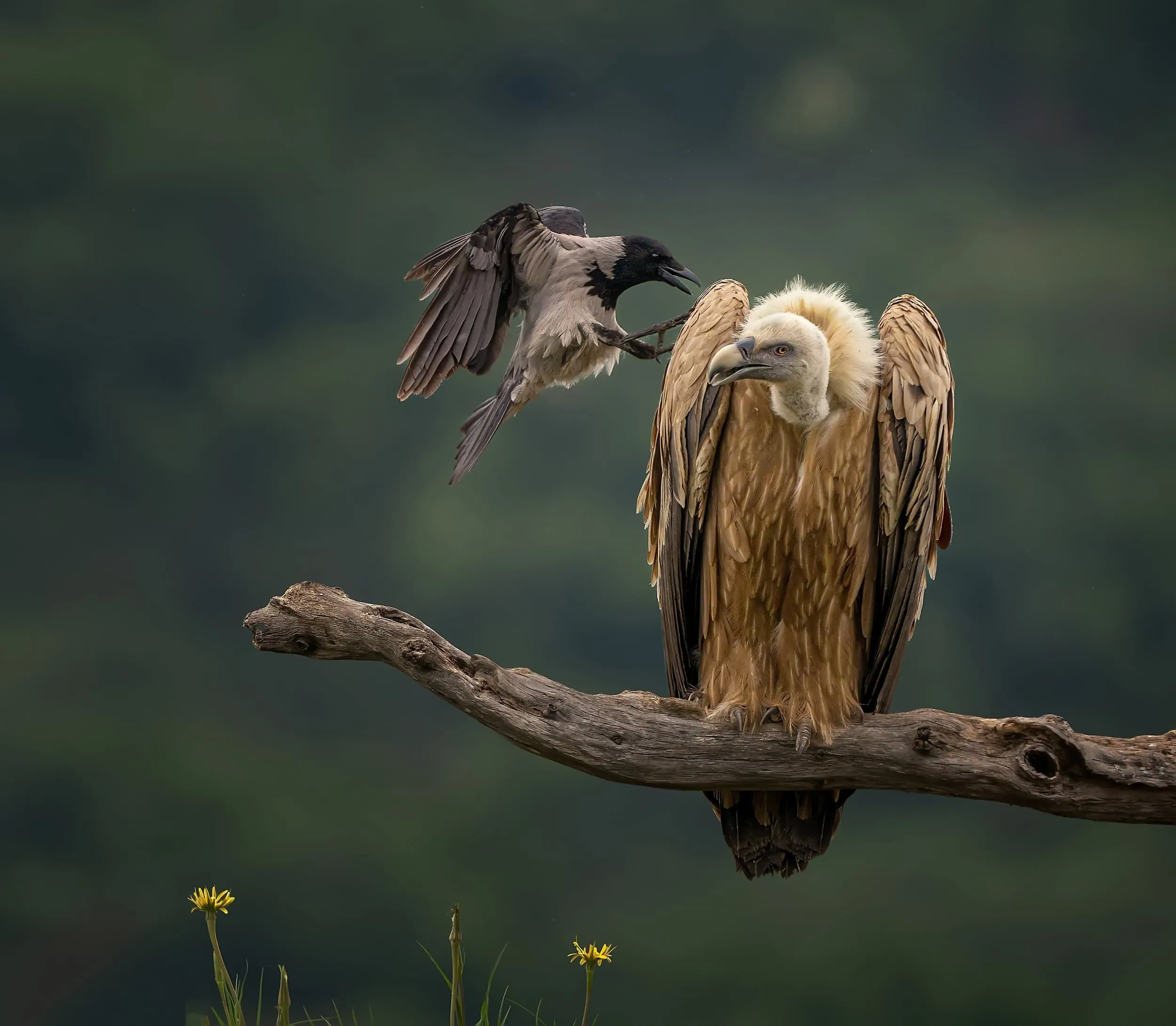
Despite the vast difference in size, a crow bravely strikes at a perched vulture-a moment of pure wild defiance.
Griffon Vulture and crow harasses.
Credit: Panagiotis Xaxiris / The Nature Photography Contest 2025
2025 PopSci Best of What’s New
VIA: popsci.com

