


If you have a Casely Power Pod in your drawer, stop using it now. It's no exaggeration — the U.S. Consumer Product Safety Commission (CPSC) has announced for the second time the mandatory recall of the Casely Power Pod E33A, after one death and dozens of injuries.
What Exactly Happened — The Chronicle
The story begins in April 2025, when Casely and the CPSC first announced the recall of more than 429.000 units of the Power Pod E33A. At that time, there were recorded 51 cases overheating, swelling or ignition of the battery, resulting in 6 minor burns.
In February 2026, a new creepy incident: a 47-year-old woman was using the Power Pod to charge her cell phone inside an airplane, when the device caught fire and exploded — resulting in first-degree burns.
The most tragic? Another victim suffered second and third degree burns and concluded due to complications. The CPSC reacted immediately, repeating the recall in April 16 2026.
Which Device Is Affected — How to Check If You Have One
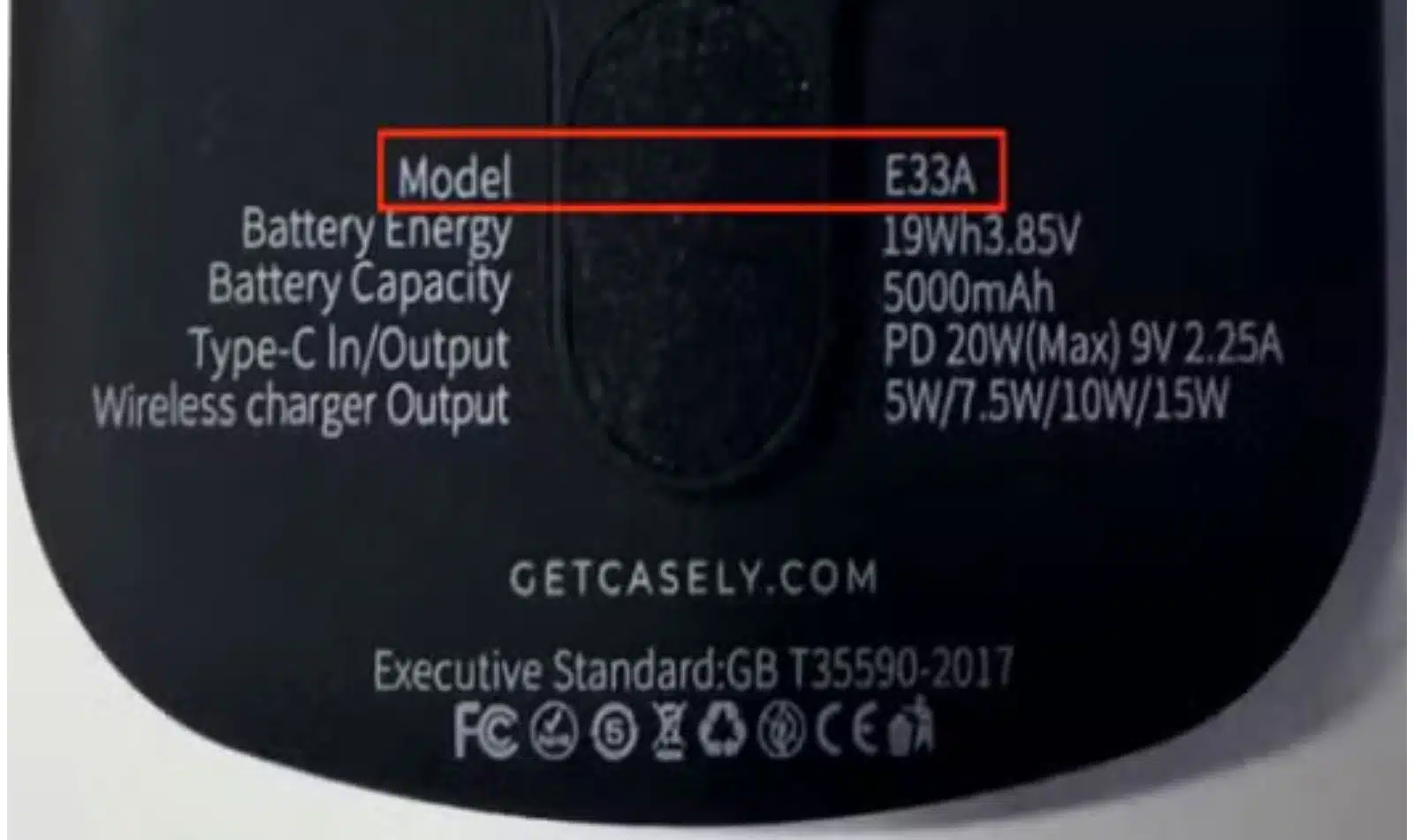
The recall concerns the model only. Casely Power Pod 5000mAh MagSafe (E33A). Είναι ένας φορητός ασύρματος φορτιστής — pocket-sized, συμβατός με MagSafe για iPhone — που πουλήθηκε σε διάφορα χρώματα και σχέδια.
How to recognize it:
- In front part: engraved with the word "Casely" on the right side
- In back: printed model number E33A
- Dimensions: 3 x 2 x 0,25 inches — about the size of a card, noticeably thicker
- Weight: about 90 grams
The device was sold between March 2022 and September 2024 via getcasely.com, Amazon and other online stores. If you bought a Casely wireless charger during that period, there's a high chance you have an E33A.
Why It Explodes — The Technical Explanation
The lithium-ion (Li-ion) battery in the Power Pod E33A can overheated and enter into a phenomenon known as thermal runaway — μια αλυσιδωτή αντίδραση όπου η temperature ανεβαίνει ανεξέλεγκτα μέχρι να ανάψει φωτιά ή να εκραγεί η κυψέλη.
This is not unique to Casely — it is a known issue with Li-ion batteries that occurs when there are insulation defects, poor heat management ή faulty protection circuitsThe dangerous thing is that it can happen during charging — even when the device is next to you or, as we saw, on an airplane.
The airplane is no exception: in low cabin pressure, some types of batteries become more vulnerable to instability. That's why the TSA and EASA already have strict rules for power banks on flights.
If you are interested in device security issues, also read our article on iPhone security flaw allows contactless transactions without authorization.
What to Do Now — Step by Step
Step 1: Stop using it immediately. There is no “one more time” — the danger is real.
Step 2: Don't throw it in the trash. A Li-ion battery in poor condition can ignite even in the recycling bin or garbage truck. Contact your local municipality or electronics recycling center.
Step 3: Claim a free replacement. Casely offers free replacement with the new PP240 model (UL certified and CPSC approved). To get it:
- Write the word with a permanent marker. “Recalled” and the date on the front of the device
- Take a picture of the front with the writing
- Take a photo of the back with the model number E33A visible
- Fill out the form at getcasely.com/pages/2025-recall
- No proof of purchase required
The New PP240 Model — Is It Safe?
Casely assures that the replacement model PP240 has full certification UL (Underwriters Laboratories) and is approved by the CPSC. UL certification is one of the most trusted international safety standards for electrical appliances.
This means that the new model has passed rigorous tests for overheating, short circuit, mechanical stress and extreme temperatures. The old E33A device did not have corresponding certification.
Speaking of iPhone gadgets, you might also be interested in our article on the ability for the iPad to act as a power bank for your iPhone.
What the CPSC Says — The Official Position
The CPSC is clear: the risk is «σοβαρός τραυματισμός ή death» from fire or burns. The recall was repeated precisely because many consumers did not react in the first announcement of April 2025.
This is a common problem with recalls: the information doesn't reach everyone, or users forget. The CPSC estimates that a significant number of the 429.000 devices are still in use.
If you are not sure if your device is included in the recall, contact Casely directly through the official website or request information from the CPSC.
What We Learn — How to Buy a Safe Power Bank
The Casely incident highlights a broader issue: many portable gadgets on the market do not have adequate security certificationHere's what to check before buying a power bank:
- UL or CE certification: Look for the UL (USA) or CE (Europe) mark — they're not decorations, they're a guarantee of testing
- Manufacturer reputation: Anonymous brands from Aliexpress priced at €3 are risky
- Buy from trusted retailers: Amazon, Media Markt, official e-shops — not just any bazaar
- Do not leave a power bank charging unattended., especially at night or indoors
- If the battery swells — visible swelling — stop use immediately, it is a sign of instability
- ALWAYS shop from reliable sources stores
For updates on gadget security and new revelations, you can also check out our article about the changes to Meta Quest and what this means for gadget users.
Sources:
- CPSC — Official Recall Notice (April 2026)
- Casely — Official Recall & Replacement Page
- Engadget — PSA: Stop using your Casely Power Pods
- PCMag — Recall Reissued After Related Death
- AppleInsider — Recall Reannounced After Fatality in New Jersey