


Discovery of a New Species of Spider: The Pikelinia floydmuraria
Just recently, scientists in Colombia identified a new species of spider, named Pikelinia floydmuraria in honor of the iconic band Pink Floyd. This name is associated with the band's multi-platinum album, The Wall, where “Muraria” comes from the Latin word meaning “wall”.
Its Discovery and Ecology Pikelinia floydmuraria
This new species of spider has been found living on the walls of buildings, with several sightings in the city of Quindío. Researchers spotted a spider hanging from a colorful mural. Detailed details about their location and ecology are shown in a study published in the journal Zoological Systematics and Evolution (ZSE).
The Ecological Significance
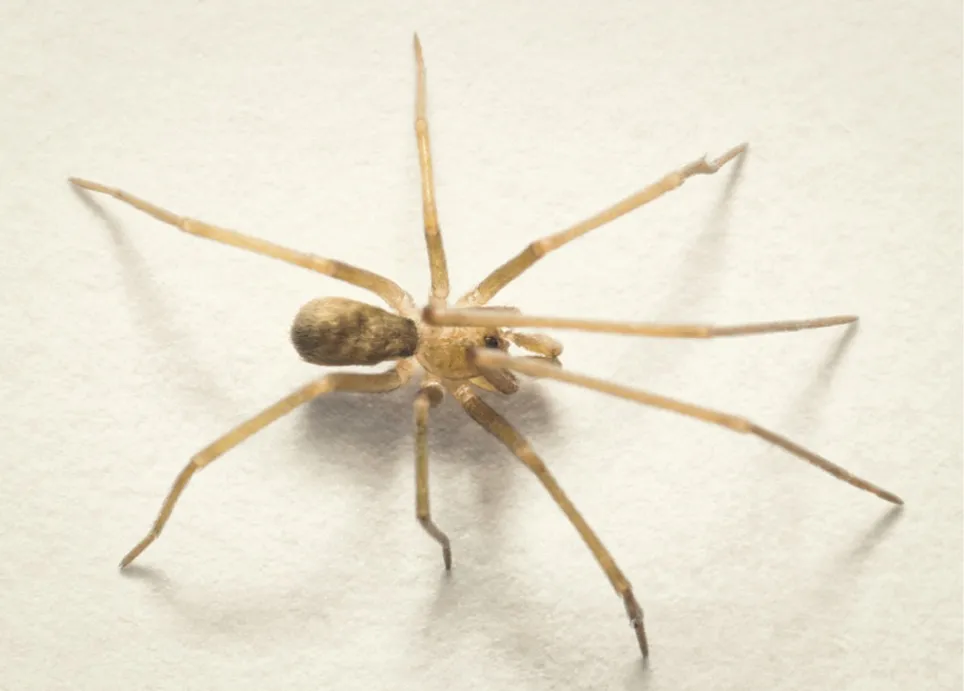
Pikelinia floydmuraria is known as a "synanthropoid spider," meaning a species that has adapted to human structures over time. Researchers have found that these creatures are excellent hunters, and their main prey includes insects such as flies, beetles, and ants. They build their webs near illuminated areas, thus attracting prey at night.
Physical Characteristics
Measuring just 3 to 4 millimeters long, these spiders can consume prey up to six times their own size. Females have reproductive organs in the form of long, thin, S-shaped tubes, which allows them to enter cracks and crevices in walls.
Relationships with Other Species
Despite the geographical distance that separates them, Pikelinia floydmuraria has a very close relative known as Pikelini fasciata, found in the Galapagos Islands. The two spiders are almost identical, raising questions about their evolutionary history and how such similar forms end up living more than 1.000 miles apart.
Future Research
In order to fully understand the biology of this new species, further research is needed. This includes studying its genome Pikelinia floydmuraria, which can provide valuable information about their evolutionary history. As it is, the importance of these small spiders in the urban ecosystem is a function of the richness they provide and their ability to control insect populations in Colombia.
In conclusion, despite their small size, their impact is powerful and substantial, just like the music of the band that gave them their name.

PopSci 2025 Best News