

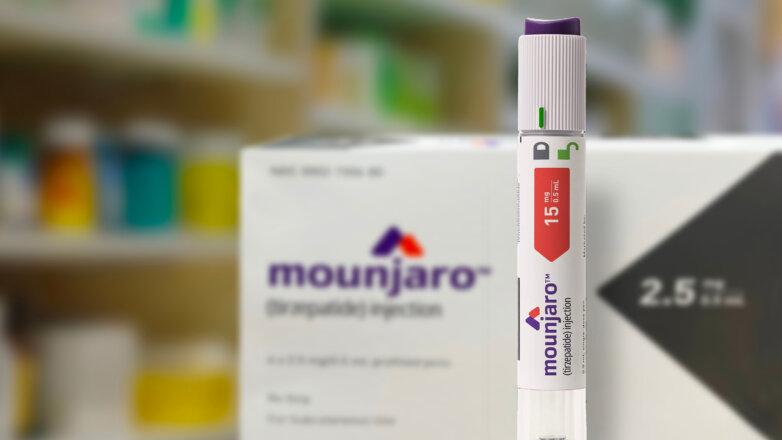
A global panel of 21 experts is proposing a 10-year clinical trial to see if new anti-obesity drugs (such as semaglutide and tirzepatide) can prevent obesity-related cancers. The proposal will be presented at the European Congress on Obesity (ECO2026) in Istanbul.
The study proposes to enroll 5.000 overweight or mildly obese people (BMI 27-35) who already have a precancerous condition, such as colon polyps, Barrett's esophagus, or endometrial hyperplasia. Participants will be divided into two groups: one will receive the drugs along with a weight loss program, while the other will receive the weight loss program alone.
The selection of this specific population (individuals with precancerous conditions) allows for an economically feasible trial, as a corresponding study in the general population with obesity would require approximately 50.000 participants and would be prohibitively expensive.
Experts say these new drugs can achieve weight loss comparable to that of surgery, and the next critical step is to show whether this translates into a reduction in cancer risk. The question remains whether the protection is due solely to weight loss or to direct biological actions of the drugs, which will be investigated in the proposed trial.