
Τα τελευταία χρόνια, η επιστήμη μεταμορφώνει τη φροντίδα του ασθενή. Τα ρομποτικά συστήματα υπάρχουν εδώ και πολλά χρόνια, όμως σήμερα είναι περισσότερο εξελιγμένα από ποτέ και κάνουν πιο εύκολη τη δουλειά ενός χειρουργού, καθώς η επέμβαση μπορεί πλέον να σχεδιαστεί με μεγαλύτερη ασφάλεια και ταχύτητα. Είναι ένα χρήσιμο βοηθητικό εργαλείο, χωρίς το ρομπότ να αναλαμβάνει εξ’ ολοκλήρου την επέμβαση, αλλά κυρίως ο ίδιος ο χειρουργός.
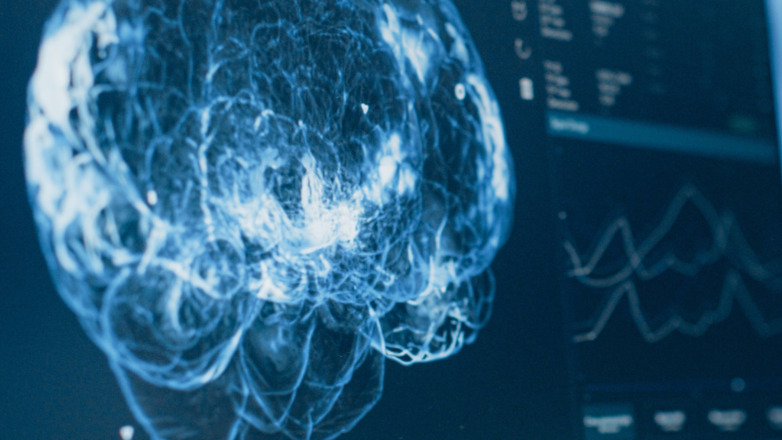
"The robot, in any case, facilitates the process and ensures greater safety, while it is called upon to do something very specific during an operation, after the conditions are defined by the doctor. It is connected to computers, which create a roadmap and thus a virtual incision is made, simulating the surgical operation, so that it is planned in advance," report Messrs. Pantelis Stavrinou, Director Neurosurgeon, Επ. Καθηγητής του Πανεπιστημίου Κολωνίας, Germany and Nikolaos Chaliasos, Director Neurosurgeon, Associate Professor Queen Mary University of London, United Kingdom, in Metropolitan Hospital both and continue:
"The Artificial Intelligence είναι κάτι πολύ καινούριο, και δεν έχει μπει ακόμη στους αλγόριθμους της καθημερινής ιατρικής πράξης. Καθώς εξελίσσεται, γίνεται ταυτόχρονα προσπάθεια προσαρμογής, ώστε κάθε χειρουργός να βρίσκεται στην αιχμή των εξελίξεων. Περισσότερο από όλα θα αλλάξει το διαγνωστικό κομμάτι, όπου βοηθώντας τον γιατρό θα δίνονται εξαιρετικά χρήσιμες συμβουλές. Το μόνο που μένει να φανεί, είναι το πώς αυτό θα εξελιχθεί».
The creation and contribution of the Nevron Neurosurgical team
Dr. Pantelis Stavrinou and Dr. Nikolas Chaliasos collaborate in the Nevron Neurosurgery team, operating on cases together. Movement disorders, microchip and electrode placement in the brain, epilepsy, chronic pain, brain and skull base tumor surgery, and minimally invasive spine surgery are many of the cases that the team undertakes and treats.
Neuro-Oncology is also a large and integral part of Neurosurgery. Cases are treated together, advising patients from the beginning, choosing the procedure to follow and performing surgery. The patient chooses his treating physician, and this relationship does not change. Instead of the surgeon approaching an operation as a lone warrior, in this case there is another surgeon, of high level and of the same experience.
Mr. Pantelis Stavrinou, Director Neurosurgeon of the hospital and founding member of the Nevron team, says: "Just as when an airplane flies, there is a pilot and a co-pilot, so it is in this case. We operate as two equal and equal partners. At the Clinic, we have managed hundreds of cases over the years, mainly complex brain tumors. The patient is interested in getting well. To be free from symptoms. We are all human and we do not function flawlessly, or at 100% every day. We want the operating room to be boring. For everything to go like a movie that we have seen 100 times and know what is happening. For there to be no surprises. Our team is also made up of curators, who help us in our daily work, paramedical professions, such as physiotherapists and neuropsychologists, and of course nurses. We are even in the process of training specialized nurses for specific areas, according to the standards of the British National Health System, the NHS."
The right treatment for the right patient
Not all patients need surgery, nor do all treatments work for all patients. Each specialist should make the correct indications and not change his ethical code. Each patient is consulted accordingly. When the decision is made that a patient will undergo a treatment, the most modern means are needed to perform the surgery in the best way.
Metropolitan Hospital provides the entire Nevron Neurosurgical team with the most modern means to provide the best possible care with the ultimate goal of excellent execution. Mr. Nikolaos Chaliasos, Director Neurosurgeon of the hospital and founding member of the Nevron team, points out: "At Nevron we have set three specific strategic goals: The development and specialization in minimally invasive procedures, personalized medicine and the introduction of Artificial Intelligence. It took us five years of data collection and one year as a pilot to develop and publish an algorithm that allows us to predict with 85%-90% accuracy whether a patient will need surgery."
The psychology of the patient
Η διαχείριση της ψυχολογίας ενός ασθενούς είναι το πιο δύσκολο κομμάτι της δουλειάς ενός χειρουργού. Αυτό που χρειάζεται είναι ειλικρίνεια, τόσο με τον ασθενή, όσο και με τους συγγενείς του. Υπάρχει φόβος, από το πόσες ώρες θα διαρκέσει η επέμβαση, μέχρι το αν θα υπάρξουν επιπλοκές, ή πόσο θα χρειαστεί να απουσιάσουν από την εργασία τους. Υπάρχουν απαντήσεις για όλα, τόσο από την εμπειρία μας, όσο και από τα δεδομένα που προκύπτουν από τις μελέτες. Για τους νευροχειρουργούς, η δυσκολία του ασθενούς αποτελεί ρουτίνα, και το επιθυμητό είναι να αναπτυχθεί εμπιστοσύνη, ώστε ο εκάστοτε ασθενής να καθοδηγηθεί στη λύση, με τον καλύτερο τρόπο αντιμετώπισης.
What happens after surgery for the patient?
Technology makes it possible to offer the best solutions to patients, reducing the risks and dangers of complications. The goal is to return, as quickly as possible, to their daily lives, to their families and to their work, improving their quality of life. In difficult cases, as is the case with malignant tumors, it is important for the doctor to act as a companion. In this case, both sides are tested, mentally and physically.
Incidents that marked
Mr. Stavrinou describes two incidents that have been etched in the μνήμη "A patient with a serious brain tumor asked us to wait 6-8 weeks to proceed with the surgery because his daughter was in the final stages of her preparation for entrance exams, and he did not want to disrupt her daily life."
It was a difficult situation, we tried to convince him, but of course we respected his wish, something for which he thanked us. It was a brave act, as he put his child's "wants" above his own. A young girl, whom we operated on for a serious brain malignancy, is now ten years free of disease. From a certain point on, we ended up becoming friends. An incident that reminds us that there is always hope, the possibility that things will develop positively, which is why we never give up. And our first surgery here in Greece, with the patient awake, a young lawyer, who talked to us during the surgery, while we examined her brain, and it went extremely well."
Assessment of the course
Mr. Chaliasos notes characteristically: "What we have always wanted is to do our best, to offer high-quality health services to patients. We do not rest on our initial training, we are constantly in the hunt for excellence. To transfer the knowledge we have acquired to our homeland.
In Greece, interpersonal relationships are formed between the patient and the doctor. We see each incident as climbing a mountain. With excitement, perhaps even awe, but with the passion to reach the top and succeed. To a student, we would explain that the process is painful. Not only to become a neurosurgeon, but also afterwards. It requires emotional armor and dedication to the goal. It is a specialty that requires extraordinary dedication, it takes all of your “being”. When you inform a patient that you are going to operate on their head, you threaten their very existence, it is not like other operations. We are at the same time very strong and very fragile, a condition that alternates during the doctor-patient relationship.
*Η Neurosurgery Clinic and Nevron Neurosurgical Group of Metropolitan Hospital, successfully fill a large gap in Greece. A clinic organized according to international standards, with high-level and experienced directors, who work together harmoniously in order to offer excellent services, worthy of the expectations and needs of each patient. Equivalent to that of the most modern neurosurgical units, the department's equipment includes cutting-edge technologies, which contribute decisively to the effective treatment of diseases and injuries of the nervous system.