

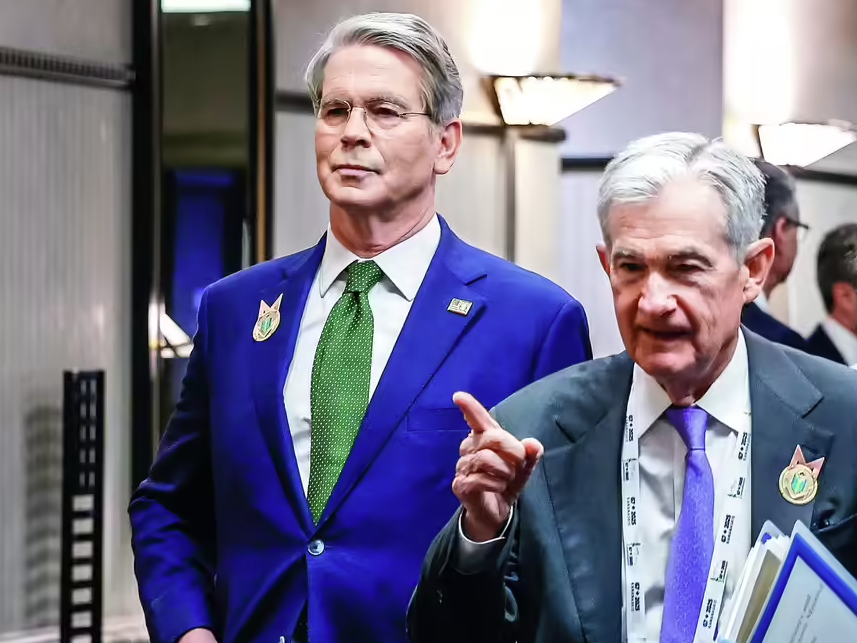
The tightening of Fed oversight by the Treasury Department USA Scott Bessant studies, adopting elements from the Bank of England model, in a step that will overturn the relationship of the central bank with the government.
The Chancellor of the Exchequer expressed his admiration for the reforms introduced by the UK government in 1997, when the Bank of England was given operational independence to set monetary policy, according to the Financial Times.
While both central banks While they maintain formal independence from their respective governments, the Fed has greater leeway in how it pursues its Congressionally-set goals of price stability and maximum employment, as well as in how it acts in times of economic instability.
The plans to restructure the relationship come at a time when Donald Trump has launched an unprecedented attack on the world's most important central bank, calling Fed Chairman Jerome Powell "stupid" for refusing to lower borrowing costs.
Trump's Justice Department has also launched a criminal investigation into Powell over the renovation of the Fed's headquarters, worrying investors and other central bankers.
Discussions about the Fed's relationship with the Treasury Department will draw investors' attention to how the Trump administration views the central bank's role at the heart of the US economy.
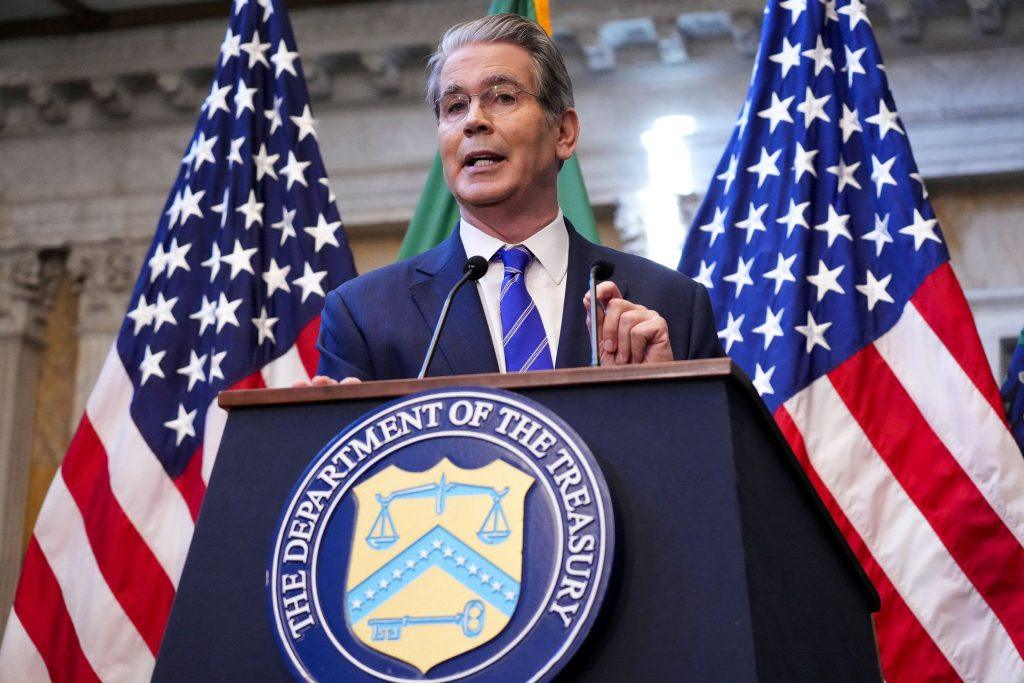
Why Bessant wants to transform the Fed
Asked by the FT about the Treasury's relationship with the Fed, Bessant said: "The mandate of the United States Federal Reserve to achieve maximum employment, stable prices and moderate long-term interest rates is critical to the global financial system."
He has publicly argued that the Fed should be reformed while maintaining its monetary policy independence, and last year criticized its massive bond-buying programs, known as quantitative easing, as “an experiment in monetary policy at an operating profit” in an article in The International Economy.
He has also praised the Bank of England's more balanced response to the 2022 bond crisis, comparing it to the Fed's prolonged quantitative easing, to which he attributed the particularly high inflation in the US in the years following the pandemic.
“On the other side of the Atlantic, it is remarkable how the Bank of England makes large-scale asset purchases during financial crises and other periods of systemic stress, and how it stops its interventions once the market has returned to normal,” Bessant told the FT.
Some market participants who spoke to Bessant said they believed he supported the British system in which the governor of the Bank of England regularly corresponds with the Chancellor of the Exchequer about the central bank’s inflation target. The Bank of England is also accountable to the British Chancellor of the Exchequer when it fails to meet its inflation target.
Bessant told the FT that “the system of regular correspondence between the finance minister and the governor” had “proved to be inefficient and bureaucratic”.
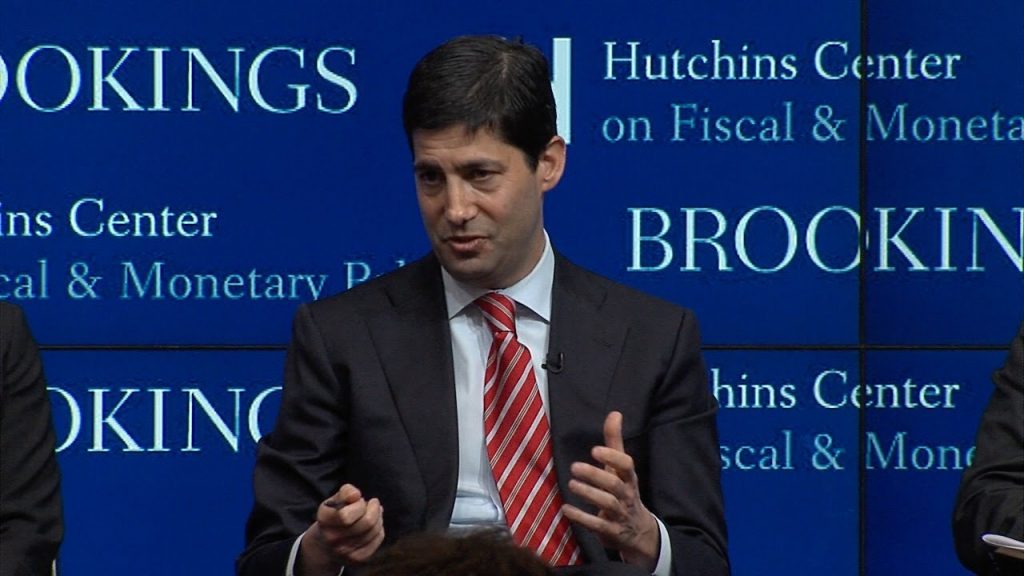
Kevin Wars
In the same vein, Wars
Trump’s pick to succeed Powell, Kevin Worth, has hinted that he would be interested in adopting the Bank of England’s letter-writing process in times of crisis. Worth chaired a review of the Bank of England’s monetary policy operations in 2014.
“The letters that are sent between the Chancellor of the Exchequer and the head of the Bank of England are transparent. They describe what is happening and give the rationale for it,” said Warsh, speaking in the House of Lords in 2023 on central bank independence, praising the Bank of England’s better-than-US use of quantitative easing.
Wars, who has often criticized the Fed for straying from what he sees as the realm of fiscal policy, sees the BoE's crisis-era letters as a way to accommodate and reinforce the changes that both he and Bessant want to make to the relationship between the Treasury and the Fed.
The relationship between the Treasury Department and the US central bank is outlined by the 1951 Treasury-Fed Agreement, a fundamental document for the independence of interest rate setting bodies.
The Treasury secretary's relationship with the Fed chief is currently informal, in which the two typically meet for breakfast once a week.
When Tony Blair's Labour government granted the Bank of England its independence in 1997, it did so with restrictions that allow the UK government to still exercise some influence over the central bank's mandate.
The UK Treasury has the formal authority to set the Bank of England’s inflation target at 2%. In contrast, the Fed has been tasked with maintaining price stability by Congress, but rate-setters chose a 2% inflation target under former Fed Chairman Ben Bernanke.
The Fed reports to Congress—which exercises formal oversight over the U.S. central bank—on its monetary policy decisions twice a year.